
Pathophysiology is a fundamental concept in medical science that explains how diseases affect the normal functioning of the human body. It focuses on the changes that occur in cells, tissues, and organs when a person becomes ill, helping us understand the transition from a healthy state to a diseased condition.
In simple terms, pathophysiology connects normal body processes (physiology) with the abnormalities caused by disease.
This makes it an essential topic for medical students, nurses, doctors, and healthcare professionals who need to understand how and why symptoms appear.
In 2026, with rapid advancements in medical research and diagnostic technology, studying pathophysiology has become even more important for accurate diagnosis and effective treatment planning.
It not only explains the causes of diseases but also shows how they progress inside the body. This article will break down the meaning of pathophysiology in simple words, making it easy to understand for beginners and students alike.
What is Pathophysiology? (Core Meaning & Explanation)
Pathophysiology is the branch of medical science that studies the functional changes occurring in the body due to disease or injury. It explains how normal physiological processes are disrupted when illness develops. In simple words, it helps us understand what goes wrong inside the human body when a person becomes sick and why certain symptoms appear.
The term “pathophysiology” is made up of two parts: “patho,” which means disease or suffering, and “physiology,” which refers to the normal functioning of the body. When combined, the term describes the study of abnormal body functions caused by disease. This field is essential because it bridges the gap between basic physiology and clinical medicine.
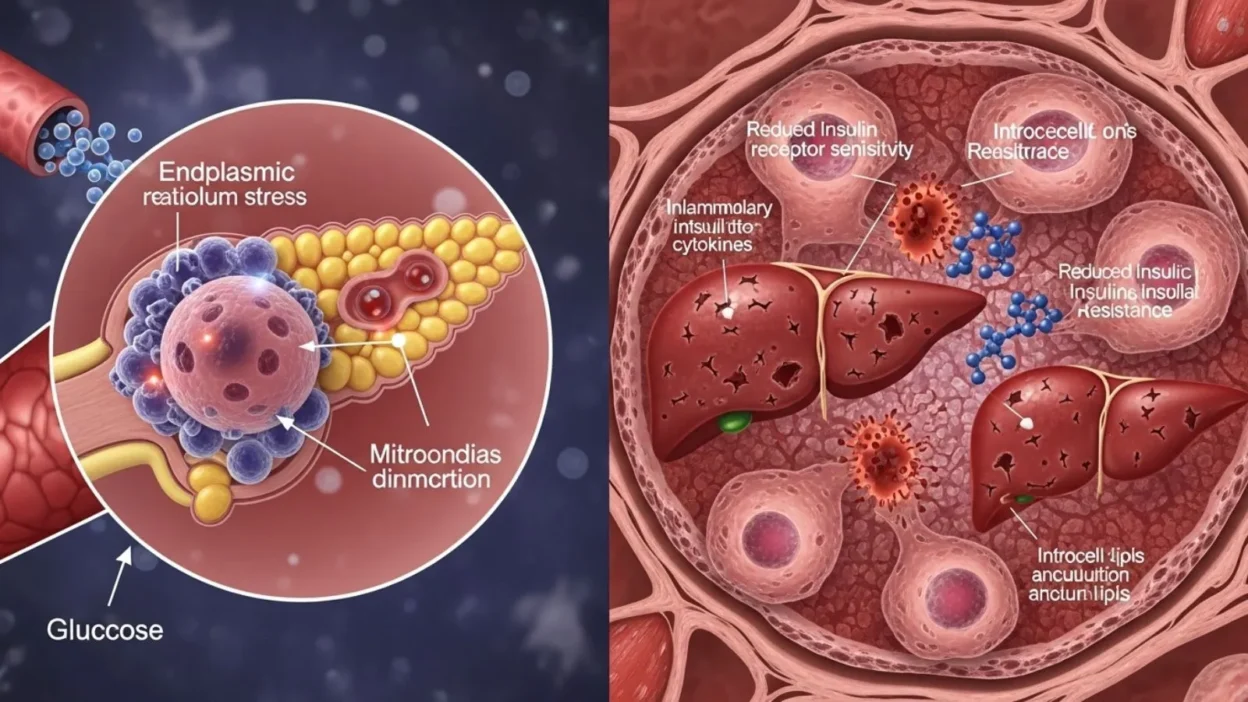
Pathophysiology focuses on how diseases begin, how they progress, and how they affect different organs and systems. For example, in diabetes, it explains how insulin production or function is impaired, leading to high blood sugar levels. In asthma, it describes how airway inflammation causes breathing difficulties.
Understanding pathophysiology allows healthcare professionals to connect symptoms with their underlying causes. Instead of just treating visible signs, doctors can target the root cause of the disease. It also helps in predicting disease progression and selecting the most effective treatment plan.
Overall, pathophysiology is a key foundation of modern medicine. It provides a deeper understanding of diseases at the cellular, tissue, and organ levels. For students and professionals in healthcare, mastering this subject is essential for accurate diagnosis, better treatment decisions, and improved patient care outcomes.
Difference Between Physiology and Pathophysiology
Physiology and pathophysiology are closely related fields in medical science, but they focus on completely different states of the human body. Understanding the difference between them is essential for students of medicine, nursing, and healthcare because it builds the foundation for clinical understanding and disease diagnosis.
Physiology is the study of how the human body functions normally. It explains how organs, tissues, and cells work together to maintain health and balance (homeostasis). For example, physiology describes how the heart pumps blood, how the lungs exchange oxygen and carbon dioxide, and how the kidneys filter waste from the blood. It focuses entirely on healthy body processes.
On the other hand, pathophysiology studies what happens when these normal processes are disrupted due to disease or injury. It explains how and why the body’s functions change in abnormal conditions. For example, in heart disease, pathophysiology explains how reduced blood flow affects organs. In diabetes, it describes how insulin problems lead to high blood sugar levels.
The main difference is that physiology deals with normal functioning, while pathophysiology deals with abnormal functioning caused by disease. Physiology answers “how the body works,” whereas pathophysiology answers “what goes wrong when the body is diseased.”
Both fields are deeply connected. Without understanding normal physiology, it is impossible to fully understand pathophysiology. Together, they help healthcare professionals identify diseases, understand symptoms, and develop effective treatments.
How Pathophysiology Works (Disease Mechanism Process)
Pathophysiology explains the step-by-step process of how diseases develop and affect the human body. It focuses on the sequence of changes that occur from the initial cause of a disease to the final appearance of symptoms. Understanding this process is very important because it helps healthcare professionals identify diseases early and treat them effectively.
The process usually begins with an external or internal trigger. This may include infections, genetic mutations, environmental factors, poor lifestyle habits, or immune system problems. Once the trigger affects the body, the first changes occur at the cellular level. Cells may become damaged, function abnormally, or die depending on the severity of the condition.
As the disease progresses, these cellular changes spread to tissues and organs. This leads to dysfunction in the affected body system. For example, if lung tissues are inflamed, breathing becomes difficult. If pancreatic cells are damaged, insulin production decreases, leading to high blood sugar levels.
Next, organ systems start showing noticeable abnormalities, and the patient begins to experience symptoms such as pain, fatigue, fever, or swelling. At this stage, the disease becomes clinically detectable.
Pathophysiology also explains whether these changes are reversible or irreversible. Some conditions can be treated early before permanent damage occurs, while others may lead to long-term complications.
Overall, the disease mechanism follows a logical progression: cause → cellular damage → tissue dysfunction → organ failure → symptoms. By understanding this process, medical professionals can better diagnose diseases, predict outcomes, and choose the most effective treatment strategies for patients.
Causes of Pathophysiological Changes
Pathophysiological changes in the human body occur due to various internal and external factors that disturb normal physiological functions. These causes are important to understand because they help explain why diseases develop and how they affect different body systems.
One of the major causes is genetic factors. Some diseases are inherited from parents due to mutations or abnormal genes. These genetic changes can affect how cells function and may lead to conditions such as diabetes, cancer, or sickle cell anemia.
Another important cause is infections. Bacteria, viruses, fungi, and parasites can invade the body and damage tissues, leading to inflammation and disease. For example, viral infections can destroy healthy cells and weaken the immune system.
Environmental factors also play a significant role. Exposure to pollution, chemicals, toxins, and radiation can disrupt normal cellular processes and lead to long-term health problems.
Lifestyle factors such as poor diet, lack of exercise, smoking, alcohol consumption, and chronic stress are also major contributors. These habits can slowly damage organs like the heart, liver, and lungs over time.
In addition, autoimmune disorders occur when the immune system mistakenly attacks the body’s own tissues, leading to chronic inflammation and organ damage. Conditions like rheumatoid arthritis and lupus are examples.
Lastly, physical injuries or trauma can directly damage tissues and organs, causing immediate or long-term functional changes.
Common Examples of Pathophysiology
Pathophysiology can be clearly understood through common diseases that affect millions of people worldwide. These examples show how normal body functions are disrupted and how symptoms develop as a result of underlying biological changes.
One of the most common examples is diabetes mellitus. In this condition, the body either does not produce enough insulin or cannot use it effectively. As a result, glucose builds up in the blood, leading to high blood sugar levels. Over time, this can damage the eyes, kidneys, nerves, and blood vessels.
Another important example is asthma, a respiratory condition in which the airways become inflamed and narrowed. This inflammation makes it difficult for air to move in and out of the lungs, causing symptoms like wheezing, shortness of breath, and coughing.
Hypertension (high blood pressure) is also a key example. It occurs when the force of blood against artery walls remains consistently high. This increases the risk of heart disease, stroke, and kidney failure due to long-term damage to blood vessels.
Heart failure is another serious condition where the heart cannot pump blood effectively. This leads to poor oxygen supply to the body, causing fatigue, fluid buildup, and breathing difficulties.
Infectious diseases such as pneumonia also demonstrate pathophysiology. In this case, bacteria or viruses infect the lungs, triggering inflammation and fluid accumulation, which makes breathing difficult.
These examples highlight how pathophysiology explains the root cause of symptoms rather than just the symptoms themselves. Understanding these disease mechanisms helps healthcare professionals diagnose conditions accurately and choose effective treatment plans to improve patient outcomes.
Cellular and Molecular Basis of Pathophysiology
Pathophysiology at the cellular and molecular level explains how diseases begin and progress inside the smallest units of the human body. Most diseases start with changes in cells, which then affect tissues, organs, and entire body systems.
One of the first events in disease development is cell injury. Cells can be damaged by infections, toxins, lack of oxygen, genetic mutations, or physical trauma. When cells are injured, they may lose their normal structure and function, which disrupts the body’s balance (homeostasis).
If the injury is mild, cells can adapt through processes such as hypertrophy (increase in cell size), hyperplasia (increase in cell number), atrophy (decrease in cell size), or metaplasia (change in cell type). However, if the damage is severe, it can lead to cell death, either through necrosis or apoptosis.
At the molecular level, diseases often involve changes in proteins, enzymes, DNA, and signaling pathways. For example, genetic mutations can produce abnormal proteins that affect cell function. Similarly, enzyme deficiencies can disrupt metabolic processes, leading to disease conditions.
Inflammation is another key molecular response. When tissues are damaged, the immune system releases chemical signals like cytokines and histamine, which cause redness, swelling, pain, and heat.
Additionally, oxidative stress caused by free radicals can damage cell membranes, proteins, and DNA, contributing to chronic diseases such as cancer and heart disease.
Overall, the cellular and molecular basis of pathophysiology provides a deep understanding of how diseases originate at a microscopic level. This knowledge is essential for developing targeted treatments, improving diagnosis, and advancing modern medical research and therapies.
Symptoms and Clinical Signs in Pathophysiology
Symptoms and clinical signs are the visible and felt outcomes of underlying pathophysiological changes in the body. They are the main way through which diseases are identified in patients, and they reflect how normal body functions have been disrupted.
Symptoms are the subjective experiences reported by the patient. These include feelings such as pain, fatigue, dizziness, nausea, shortness of breath, and weakness. Since symptoms are felt internally, they cannot be directly measured by healthcare professionals but are very important for diagnosis.
Clinical signs, on the other hand, are objective findings that can be observed or measured by a doctor or nurse. These include fever, swelling, rash, abnormal blood pressure, rapid heartbeat, or changes in breathing patterns. Clinical signs provide physical evidence of disease.
In pathophysiology, symptoms and signs develop due to specific changes at the cellular and organ levels. For example, inflammation in tissues may cause pain and swelling. Reduced oxygen supply in the body may lead to fatigue and shortness of breath. Hormonal imbalance can result in weight changes, mood swings, or abnormal growth.
The severity and type of symptoms often depend on how advanced the disease is and which organs are affected. Some diseases show early warning signs, while others remain silent until significant damage has occurred.
Understanding the relationship between symptoms, signs, and underlying disease mechanisms is crucial for accurate diagnosis. It allows healthcare professionals to connect what the patient feels with what is happening inside the body.
Overall, symptoms and clinical signs act as a bridge between pathophysiological processes and clinical diagnosis, helping doctors identify diseases and decide the best treatment approach.
Role of Pathophysiology in Diagnosis
Pathophysiology plays a vital role in the diagnosis of diseases by helping healthcare professionals understand the underlying mechanisms that cause symptoms. Instead of focusing only on visible signs, it allows doctors to connect clinical findings with internal changes occurring in the body.
When a patient presents with symptoms such as pain, fever, fatigue, or difficulty breathing, pathophysiology helps explain what is happening at the cellular, tissue, or organ level. For example, chest pain may be linked to reduced blood flow in the heart due to blocked arteries, while shortness of breath may result from airway inflammation or fluid buildup in the lungs.
One of the key benefits of pathophysiology in diagnosis is that it supports differential diagnosis. This means doctors can compare different possible diseases that may cause similar symptoms and identify the most likely condition based on disease mechanisms.
It also helps in interpreting diagnostic tests such as blood reports, imaging scans, and biopsies. For instance, high blood sugar levels can be understood in the context of insulin dysfunction in diabetes, while elevated white blood cell counts may indicate infection or inflammation.
Pathophysiology also improves early detection of diseases. By understanding how diseases develop over time, healthcare professionals can identify warning signs before serious complications occur. This is especially important in chronic conditions like hypertension, diabetes, and heart disease.
Overall, pathophysiology strengthens the diagnostic process by linking symptoms to their root causes. It enables more accurate, logical, and scientific decision-making in medicine, ensuring that patients receive the correct diagnosis and timely treatment for better health outcomes.
Role of Pathophysiology in Treatment and Management
Pathophysiology plays a crucial role in the treatment and management of diseases by helping healthcare professionals understand the root cause of illness. Instead of only treating symptoms, doctors use pathophysiological knowledge to target the underlying mechanisms responsible for disease development.
Every disease begins with specific changes in the body, such as cellular damage, inflammation, hormonal imbalance, or infection. By understanding these processes, medical professionals can choose treatments that directly address the source of the problem. For example, in diabetes, treatment focuses on improving insulin function or controlling blood glucose levels. In asthma, medications are used to reduce airway inflammation and improve breathing.
Pathophysiology also helps in selecting the most effective drugs. Many modern medications are designed to act on specific molecular pathways in the body. This targeted approach improves treatment outcomes and reduces side effects. For instance, antibiotics target bacterial infections, while anti-inflammatory drugs reduce swelling and pain caused by immune responses.
In addition, pathophysiology is important in monitoring disease progression. By understanding how a disease evolves, healthcare providers can adjust treatment plans based on the patient’s condition. It also helps in preventing complications by identifying risks early.
Rehabilitation and long-term care are also guided by pathophysiological knowledge. Chronic diseases such as hypertension, heart failure, and kidney disease require continuous management based on how the disease affects body systems over time.
Overall, pathophysiology ensures that treatment is not random but scientifically based. It allows healthcare professionals to manage diseases more effectively, improve patient recovery, and enhance overall quality of life through targeted and evidence-based medical care.
Pathophysiology in Medical Education
Pathophysiology is a core subject in medical education and is essential for students studying medicine, nursing, pharmacy, and other health sciences. It helps students understand how diseases develop and how they affect the normal functioning of the human body. Without this knowledge, it becomes difficult to connect theoretical learning with real clinical practice.
In medical schools, pathophysiology is taught after students learn basic subjects like anatomy and physiology. It builds on that foundation by explaining what happens when normal body processes are disrupted. For example, students first learn how the heart works in physiology, and then study how heart failure or hypertension affects its function in pathophysiology.
One of the most important aspects of learning pathophysiology is case-based learning. Students analyze real patient cases and try to understand the disease mechanism behind symptoms. This approach improves critical thinking and clinical reasoning skills, which are essential for future doctors and healthcare professionals.
Pathophysiology is also important for exams and professional licensing. Many medical and nursing exams include questions about disease mechanisms, requiring a deep understanding of how illnesses develop and progress.
In addition, it prepares students for clinical practice. When students enter hospitals for training, their knowledge of pathophysiology helps them understand patient conditions, interpret test results, and assist in treatment planning.
Overall, pathophysiology acts as a bridge between basic science and clinical medicine. It transforms theoretical knowledge into practical understanding, making it one of the most important subjects in healthcare education. Mastering it is essential for building strong diagnostic and treatment skills in future medical professionals.
Modern Advances in Pathophysiology
In 2026, pathophysiology has evolved significantly due to advancements in technology, research, and data science. Modern medicine is now more precise, data-driven, and personalized, allowing healthcare professionals to understand diseases at a much deeper level than before.
One of the biggest advances is the use of artificial intelligence (AI) in healthcare. AI systems can analyze large amounts of patient data to detect early disease patterns and predict how a disease may progress. This helps doctors understand pathophysiological changes even before severe symptoms appear.
Another major development is genomics and molecular medicine. Scientists can now study a person’s genetic makeup to understand why certain diseases occur. This has improved the understanding of genetic disorders and has led to more targeted treatments based on individual DNA profiles.
Precision medicine is also transforming pathophysiology. Instead of using the same treatment for all patients, doctors now design therapies based on a patient’s specific biological condition. This improves effectiveness and reduces side effects.
In addition, advanced imaging technologies and molecular diagnostics allow healthcare professionals to observe changes in tissues and organs in real time. This helps in better understanding disease progression at both cellular and organ levels.
Bioinformatics and computational biology are also playing an important role by combining biology with data analysis to study disease mechanisms more accurately.
Challenges in Understanding Pathophysiology
Although pathophysiology is a fundamental part of medical science, it is also considered one of the most challenging subjects for students and healthcare learners. The complexity of this field comes from its deep connection with multiple systems of the human body and the detailed processes involved in disease development.
One of the main challenges is the complexity of medical terminology. Pathophysiology includes many scientific terms related to cells, tissues, organs, and biochemical processes, which can be difficult for beginners to understand and remember.
Another challenge is the interconnection of body systems. A single disease can affect multiple organs at the same time. For example, diabetes not only affects blood sugar levels but can also damage the kidneys, eyes, nerves, and heart. Understanding these linked effects requires strong foundational knowledge.
The field is also constantly evolving due to rapid medical advancements. New research discoveries change how diseases are understood, diagnosed, and treated. This means students and professionals must continuously update their knowledge.
In addition, some diseases have unclear or complex mechanisms, making it difficult to fully understand their exact pathophysiology. Conditions like autoimmune disorders and certain cancers involve multiple biological factors that are still being studied.
Another difficulty is the need to connect theoretical knowledge with real clinical practice. Students often struggle to apply textbook concepts to real patient cases in hospitals.
Despite these challenges, mastering pathophysiology is essential for accurate diagnosis and effective treatment. With proper study methods, clinical exposure, and continuous learning, students can overcome these difficulties and build strong medical understanding for their future careers.
Importance of Studying Pathophysiology
Studying pathophysiology is extremely important in medical science because it provides a deep understanding of how and why diseases occur in the human body. It helps bridge the gap between basic science and clinical practice, making it one of the most valuable subjects for healthcare professionals.
One of the main benefits of learning pathophysiology is better disease understanding. Instead of only memorizing symptoms, students learn the actual mechanisms behind diseases. This allows them to understand what is happening inside the body at the cellular and organ levels.
It also plays a major role in accurate diagnosis. When doctors understand disease mechanisms, they can connect symptoms with underlying causes more effectively. This improves the ability to identify diseases early and choose the correct treatment approach.
Another important aspect is improved treatment planning. Pathophysiology helps healthcare professionals select treatments that target the root cause of a disease rather than just controlling symptoms. This leads to more effective and long-lasting results for patients.
It is also essential for preventing complications. By understanding how diseases progress, doctors can take early steps to stop or slow down harmful changes in the body. This is especially important in chronic diseases like diabetes, hypertension, and heart disease.
In addition, pathophysiology strengthens clinical thinking and decision-making skills. It allows medical students and professionals to analyze patient conditions logically and scientifically.
Overall, studying pathophysiology is the foundation of modern medical education and healthcare practice. It improves diagnosis, treatment, and patient care, making it an essential subject for anyone pursuing a career in medicine or health sciences.
Frequently Asked Questions (FAQ)
1. What is the simple meaning of pathophysiology?
Pathophysiology is the study of how diseases affect the normal functioning of the human body. It explains what goes wrong inside the body when a person becomes sick and how these changes lead to symptoms.
2. Why is pathophysiology important?
It is important because it helps doctors and healthcare professionals understand the root cause of diseases. This knowledge improves diagnosis, treatment planning, and patient care outcomes.
3. What is the difference between physiology and pathophysiology?
Physiology studies how the body works normally, while pathophysiology studies how the body functions change during disease. Physiology is about health, and pathophysiology is about illness.
4. Is pathophysiology difficult to learn?
It can be challenging because it includes complex medical terms and processes. However, with proper understanding of physiology and regular practice, it becomes easier to learn.
5. What are examples of pathophysiology?
Common examples include diabetes, asthma, hypertension, heart failure, and infections. Each condition shows how normal body functions are disrupted.
6. Who studies pathophysiology?
It is mainly studied by medical students, nurses, pharmacists, and other healthcare professionals as part of their education.
7. How does pathophysiology help in treatment?
It helps doctors choose treatments that target the root cause of a disease instead of just treating symptoms, leading to better recovery.
Conclusion
Pathophysiology is a fundamental branch of medical science that explains how diseases affect the normal functions of the human body. It provides a clear understanding of the changes that occur at cellular, tissue, and organ levels when illness develops.
By linking normal physiology with disease processes, pathophysiology helps healthcare professionals understand not only the symptoms but also their root causes.
This knowledge is essential for accurate diagnosis, effective treatment planning, and better patient care outcomes. In modern medicine, especially in 2026, advancements in research, technology, and diagnostics have made the study of pathophysiology even more important.
It is widely used in medical education, clinical practice, and disease research. From common conditions like diabetes and asthma to complex disorders like heart failure, pathophysiology explains how and why diseases progress.
In conclusion, it is a vital subject for anyone in the healthcare field, as it builds the foundation for understanding human health, disease development, and medical decision-making.