The term “Commonwealth meaning” refers to a political and historical concept that describes a group of countries or states united for shared goals, cooperation, and mutual development.
In simple words, a commonwealth is formed when nations work together for the common good of their people, focusing on peace, democracy, education, trade, and cultural exchange.
One of the most well-known examples is the Commonwealth of Nations, which includes countries from Africa, Asia, Europe, the Caribbean, and the Pacific.
Today, many people search for “commonwealth meaning” to understand its role in global politics and international relations.
The term is also used in historical contexts, especially related to the British Empire and its transformation into a voluntary association of independent countries.
In this article, we will explore the true meaning of commonwealth in simple language, its history, purpose, member countries, and why it still plays an important role in the modern world.
What is the Meaning of Commonwealth? (Simple Definition)
The word “Commonwealth” is used in different contexts, but its core meaning always relates to the idea of shared benefit, cooperation, and collective well-being. In simple terms, a commonwealth is a group of people, states, or countries that work together for the “common good” instead of focusing only on individual interests. The word itself comes from “common” meaning shared, and “wealth” meaning welfare or prosperity, so it literally means “shared prosperity.”
In modern political usage, the term is most commonly associated with the Commonwealth of Nations, which is a voluntary association of independent countries that cooperate on global issues such as democracy, human rights, education, and economic development. These countries are not controlled by a single government, but they agree to work together based on shared values and mutual respect.
Historically, the term “commonwealth” was also used to describe a state or political community organized for the benefit of its citizens. For example, some countries or states still use the word in their official names to highlight their focus on public welfare and governance.
Overall, the meaning of commonwealth is not limited to politics alone. It represents the broader idea of unity, collaboration, and shared progress. Whether used in historical, political, or general context, it always emphasizes working together to improve the lives of people and build stronger international relationships.
Historical Background of the Commonwealth
The concept of the Commonwealth has deep historical roots that go back several centuries. Originally, the word “commonwealth” was used in England during the 16th and 17th centuries to describe a political community or state that was governed for the benefit of all people. It emphasized the idea of public welfare and shared responsibility rather than rule by a single monarch.
The modern understanding of the Commonwealth is closely linked to the expansion and later transformation of the British Empire. As the British Empire grew across Africa, Asia, the Caribbean, and the Pacific, many territories were under British rule. Over time, these regions began to seek independence while still maintaining cooperative relationships with Britain.
After World War I and especially after World War II, many former colonies gained independence. Instead of breaking all ties, they formed a voluntary association based on equality and mutual respect. This led to the creation of what we now know as the Commonwealth of Nations, officially developed in its modern form in the 20th century.
A major turning point came with the London Declaration of 1949, which allowed republics to remain part of the Commonwealth even if they were no longer under the British Crown. This changed the organization into a fully voluntary and equal partnership of independent nations.
Today, the Commonwealth represents a shift from colonial history to modern cooperation, focusing on democracy, development, and global friendship among member states.
What is the Commonwealth of Nations?
The Commonwealth of Nations is a voluntary international organization made up of independent countries that work together to promote shared values, cooperation, and development. It is not a political union and does not have the power to control its member states. Instead, it is based on equality, mutual respect, and collaboration among nations.
Today, the organization includes 56 member countries across Africa, Asia, Europe, the Caribbean, and the Pacific. These countries are united by historical ties, shared values, and a commitment to democracy, human rights, and economic progress. A key feature of the Commonwealth is that all members are free and independent, and their participation is completely voluntary.
The organization operates through the Commonwealth of Nations, which helps coordinate programs, meetings, and initiatives between member countries. One of the most important events is the Commonwealth Heads of Government Meeting (CHOGM), where leaders come together to discuss global challenges such as climate change, trade, security, and education.
The Commonwealth also supports developing nations by providing technical assistance, scholarships, and economic cooperation programs. It plays an important role in strengthening relationships between countries with diverse cultures and backgrounds.
Although it originated from the British Empire, the modern Commonwealth is no longer based on colonial control. Instead, it has evolved into a global partnership focused on peace, equality, and development. This makes it one of the most unique international organizations in the world today.
List of Commonwealth Countries
The Commonwealth of Nations is made up of 56 independent member countries spread across different continents, making it one of the most diverse international organizations in the world. These countries vary in size, population, culture, and economic development, but they are all connected through shared values such as democracy, human rights, and cooperation.
The member countries are divided across several regions:
In Africa, major members include Nigeria, South Africa, Kenya, Ghana, and Tanzania. This region has the largest number of Commonwealth countries and plays a significant role in the organization’s development agenda.
In Asia, countries such as India, Pakistan, Bangladesh, Malaysia, and Sri Lanka are key members. India is the largest Commonwealth country by population and has a strong influence within the group.
All these countries are part of the Commonwealth of Nations, and they participate voluntarily in its activities.
Each member country remains fully sovereign, meaning they govern themselves independently while still cooperating on global issues. This wide and diverse membership is what makes the Commonwealth unique and globally influential.
Objectives and Purpose of the Commonwealth
The main purpose of the Commonwealth is to bring countries together to promote cooperation, peace, and shared development. It is built on the idea that nations can achieve more by working together rather than acting alone. Although its members are diverse in culture, geography, and economic strength, they are united by common values such as democracy, human rights, rule of law, and equality.
One of the key objectives of the Commonwealth of Nations is to strengthen democracy across member countries. It supports fair elections, good governance, and peaceful political transitions. Another important goal is to promote economic development by encouraging trade, investment, and cooperation between nations, especially to help developing countries grow.
The Commonwealth also focuses heavily on education and youth empowerment. It provides scholarships, training programs, and skill development opportunities to help young people build better futures. Environmental protection and climate change action are also becoming major priorities, as many member countries are vulnerable to rising sea levels and natural disasters.
In addition, the organization aims to support peace and conflict resolution. It encourages dialogue and diplomacy instead of violence, helping countries solve disputes peacefully. Cultural exchange is another important purpose, allowing people from different backgrounds to learn from each other and build stronger international relationships.
Overall, the Commonwealth exists to create a fairer, more connected, and more cooperative world. It promotes shared growth and ensures that even smaller or developing nations have a voice in global affairs.
How the Commonwealth Works
The Commonwealth operates as a voluntary association of independent countries, meaning there is no single governing power that controls its members. Instead, it works through cooperation, dialogue, and shared agreements based on common values such as democracy, human rights, and development. Each member country remains fully sovereign and participates freely in Commonwealth activities.
The central coordinating body is the Commonwealth of Nations, which is supported by the Commonwealth Secretariat. The Secretariat is responsible for organizing programs, implementing decisions, and assisting member countries with technical support, policy guidance, and development initiatives. It is headquartered in London and serves as the administrative center of the organization.
One of the most important events in the Commonwealth system is the Commonwealth Heads of Government Meeting (CHOGM). This meeting takes place every two years and brings together leaders from all member countries. During CHOGM, leaders discuss global challenges such as climate change, international trade, security issues, education, and economic development. These discussions help shape the direction of Commonwealth cooperation.
The Commonwealth also operates through various specialized programs and agencies that focus on education, youth development, legal reform, and environmental sustainability. These programs are designed to support developing nations and strengthen cooperation among all members.
Decision-making in the Commonwealth is based on consensus, meaning that decisions are made through agreement rather than voting power or force. This ensures equality among all member states, regardless of size or wealth.
Overall, the Commonwealth works as a platform for collaboration, where countries come together to solve global problems while respecting each nation’s independence and sovereignty.
Benefits of Being a Commonwealth Member
Being part of the Commonwealth offers several political, economic, educational, and cultural advantages to its member countries. Although it is not a governing body, it provides a strong platform for cooperation and mutual support among nations. One of the biggest benefits is access to international networking, where countries can discuss shared challenges and find solutions together.
Member states of the Commonwealth of Nations benefit from increased diplomatic relations and easier communication with other countries. This helps strengthen political stability and encourages peaceful collaboration on global issues such as climate change, trade, and security.
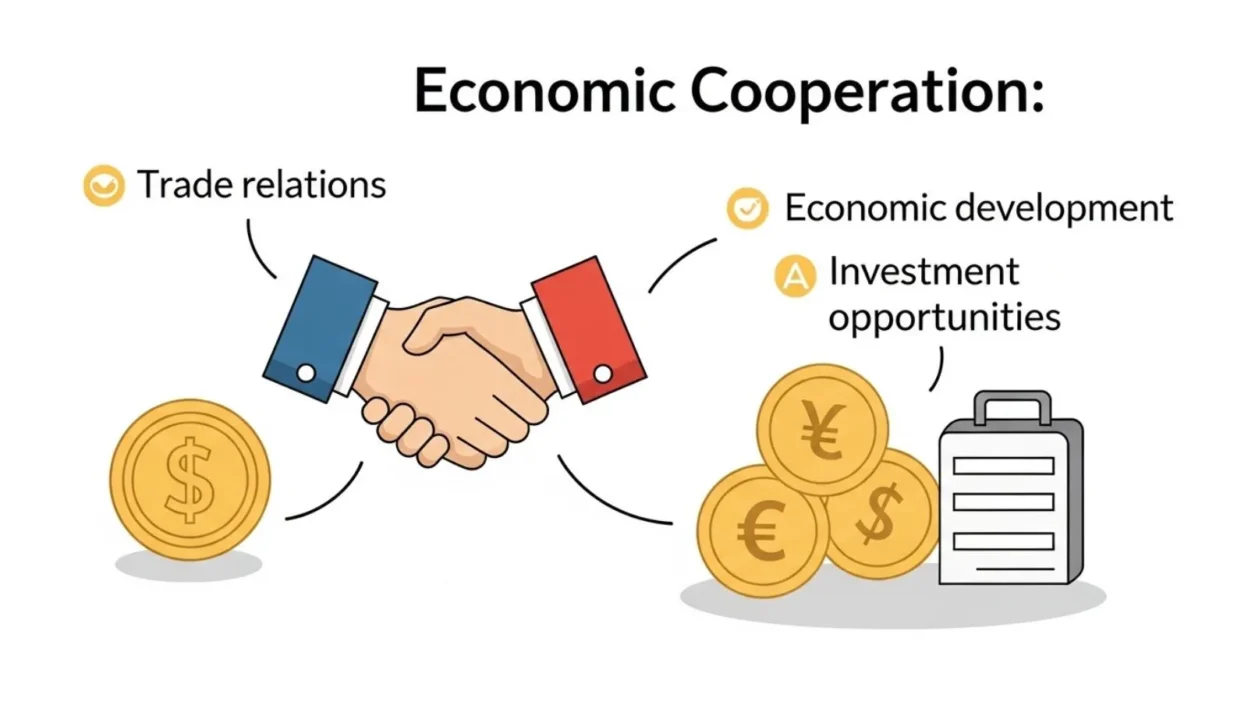
Another major advantage is economic cooperation. Commonwealth countries often enjoy trade partnerships that promote investment opportunities and economic growth. Developing nations, in particular, receive support through development programs that help improve infrastructure, healthcare, and governance systems.
Education is also a key benefit. The Commonwealth provides scholarships and academic exchange programs that allow students to study in different member countries. This promotes skill development and cultural understanding among young people.
In addition, the Commonwealth promotes cultural exchange through events like sports competitions, festivals, and youth programs. The Commonwealth Games, for example, bring together athletes from member countries and encourage unity through sports.
Smaller and developing nations also gain a stronger voice in international discussions. The organization helps ensure that their concerns are heard on global platforms, which might otherwise be difficult in larger political forums.
Overall, the Commonwealth provides a unique system of cooperation that supports development, strengthens relationships, and promotes equality among nations, making it beneficial for both large and small member countries.
Role of the Commonwealth in Today’s World
In the modern global system, the Commonwealth continues to play an important role as a platform for international cooperation, even though it does not have political authority over its members. Today, it acts as a bridge between nations with different cultures, economies, and political systems, helping them work together on shared global challenges.
The Commonwealth of Nations focuses on promoting democracy, good governance, human rights, and sustainable development. These values are especially important in today’s world, where many countries face issues such as political instability, economic inequality, and climate change. The Commonwealth helps member nations strengthen their institutions and improve public services through training, policy support, and technical assistance.
One of the key roles of the Commonwealth today is encouraging cooperation on global issues like climate action. Many member countries are small island states that are highly vulnerable to rising sea levels, so the organization actively supports environmental protection and climate resilience programs.
The Commonwealth also promotes trade and economic collaboration among its members. By encouraging partnerships, it helps countries expand their markets and attract foreign investment. This is particularly beneficial for developing nations that need support for economic growth.
Another important role is youth and education development. The Commonwealth invests in scholarships, leadership programs, and skill-building initiatives that prepare young people to become future leaders.
In addition, the organization serves as a diplomatic platform where countries can discuss international issues peacefully. This helps reduce conflicts and encourages dialogue instead of confrontation.
Overall, the Commonwealth remains relevant today as a symbol of unity, cooperation, and shared progress in an increasingly interconnected world.
Commonwealth Games and Cultural Impact
The Commonwealth is not only a political and economic association but also a powerful platform for cultural exchange and sports unity. One of the most visible examples of this is the Commonwealth Games, a major international multi-sport event held every four years. It brings together athletes from member countries of the Commonwealth of Nations, allowing them to compete in a spirit of friendship, respect, and fair play.
The Commonwealth Games were first held in 1930 and have since grown into one of the world’s largest sporting events. Unlike many other competitions, the Games focus not only on winning medals but also on promoting unity and cultural understanding among diverse nations. Athletes from Africa, Asia, Europe, the Caribbean, and the Pacific come together to celebrate both competition and cooperation.
Beyond sports, the Commonwealth has a strong cultural impact through various programs that encourage artistic exchange, education, and youth engagement. Cultural festivals, storytelling events, and educational initiatives help people from different backgrounds understand each other better. This strengthens relationships between nations and promotes global harmony.
The Games also play an important role in inspiring young athletes. Many participants come from developing countries, where opportunities in sports may be limited. The Commonwealth Games provide them with an international stage to showcase their talent and gain recognition.
In addition, hosting the Games helps countries improve infrastructure, tourism, and national pride. Cities that host the event often experience long-term economic and social benefits.
Overall, the Commonwealth Games and cultural programs highlight the organization’s mission of unity in diversity, showing that sports and culture can bring nations together in peaceful and meaningful ways.
Commonwealth vs Republic Key Differences
The terms Commonwealth and Republic are often confused, but they refer to different political concepts. A republic is a form of government where the country is considered a “public matter,” and the head of state is usually an elected president rather than a monarch. In contrast, “Commonwealth” can have multiple meanings, but in the modern political sense, it often refers to a voluntary association of countries that cooperate for shared goals and benefits.
In a republic, sovereignty lies fully with the people and their elected representatives. Laws are made by elected bodies, and the constitution defines how the government functions. Examples of republics include India, France, and the United States. A country can be both a republic and a member of the Commonwealth at the same time, such as India, which became a republic in 1950 but remained part of the Commonwealth.
The Commonwealth of Nations is not a government system but an international organization. Its members include both republics and monarchies. For example, the United Kingdom is a constitutional monarchy, while many African and Asian members are republics. This shows that Commonwealth membership is not tied to a single type of government.
Another key difference is control. In a republic, the government has authority only within its own borders. In the Commonwealth, there is no central authority that governs member countries. Instead, it works through cooperation, dialogue, and shared values.
In summary, a republic is a form of government, while the Commonwealth is a cooperative international association. A country can be a republic and still remain part of the Commonwealth without changing its political system or independence.
Criticism and Challenges of the Commonwealth
Although the Commonwealth is widely seen as a platform for cooperation and shared development, it also faces several criticisms and challenges. One of the most common criticisms is its historical link to the British Empire. Many people believe that the organization still reflects colonial-era relationships, which can create debates about equality and fairness among member states.
Another major challenge is that the Commonwealth of Nations does not have strong legal or political authority. It cannot enforce laws or punish member countries that violate its principles. As a result, its influence depends mainly on diplomacy and moral pressure rather than binding power.
There is also inequality among member countries. Some nations, such as the United Kingdom, Canada, Australia, and India, have strong economies and global influence, while others are small developing nations with limited resources. This imbalance sometimes creates concerns about whether all members truly benefit equally from the organization.
Political disagreements between member states can also weaken cooperation. In some cases, countries have been suspended or criticized for issues like military coups, human rights violations, or unfair elections. However, resolving these issues is often slow due to the Commonwealth’s limited enforcement mechanisms.
Additionally, some critics argue that the organization’s goals are too broad, making it difficult to focus on specific outcomes. Because it covers democracy, education, trade, and environment all at once, its impact can sometimes appear less direct compared to more focused international organizations.
Common Misconceptions About Commonwealth
The term Commonwealth is often misunderstood, and many people have incorrect ideas about what it actually means. One of the most common misconceptions is that the Commonwealth is a single country or a political union with a central government. In reality, this is not true. The Commonwealth of Nations is an association of independent countries, and each member remains fully sovereign with its own government and laws.
Another misunderstanding is that the Commonwealth is still controlled by the United Kingdom. While the UK played a major historical role in its formation, today the organization operates on equality among all members. No country has authority over another, and decisions are made through mutual agreement rather than control.
Some people also believe that only former British colonies can join the Commonwealth. Although most members do have historical ties to the British Empire, membership is not strictly limited to them. Countries can apply to join if they meet certain values such as democracy, rule of law, and human rights.
Another misconception is that the Commonwealth has strong political power over its members. In reality, it has no military or legal authority to enforce rules. Instead, it functions through cooperation, dialogue, and shared goals.
There is also confusion that all Commonwealth countries follow the same government system. In fact, members include both republics and constitutional monarchies, showing a wide variety of political structures.
Overall, understanding these misconceptions helps clarify that the Commonwealth is not a governing body, but a voluntary network of countries working together for shared progress and global cooperation.
Interesting Facts About the Commonwealth
The Commonwealth is a diverse and fascinating organization with many unique features that make it stand out in global affairs. One interesting fact is that it includes 56 member countries, spread across Africa, Asia, Europe, the Caribbean, and the Pacific. Despite their differences in culture, language, and geography, all members work together under shared values.
Another important fact is that the Commonwealth of Nations has no central government or legal authority. Instead, it operates through cooperation and consensus, which makes it very different from traditional political organizations.
English is widely used as a common language among member states, which helps improve communication and collaboration. However, the Commonwealth is also home to hundreds of local languages, making it one of the most linguistically diverse groups in the world.
The largest member country by population is India, while some of the smallest include island nations like Nauru and Tuvalu. This contrast highlights the diversity within the organization, both in size and economic strength.
Another interesting fact is that the Commonwealth Games are one of the biggest international sporting events, bringing together athletes from all member countries to compete in a spirit of unity and friendship.
The Commonwealth also places strong emphasis on youth development. A large portion of its programs focus on education, leadership training, and skill-building for young people, helping shape future global leaders.
Finally, membership is completely voluntary, meaning countries can choose to join or leave. This makes the Commonwealth a flexible and modern organization built on shared values rather than force or obligation.
Future of the Commonwealth
The future of the Commonwealth will largely depend on how effectively it adapts to modern global challenges and continues to remain relevant in an evolving world. Today, the organization is focusing on becoming more dynamic, inclusive, and impactful for its member countries. As global issues such as climate change, digital transformation, economic inequality, and security threats continue to grow, the Commonwealth is expected to play a more active role in supporting cooperation among nations.
The Commonwealth of Nations is increasingly prioritizing climate action, especially because many member states are small island and developing countries that face serious environmental risks. Future initiatives are likely to focus on sustainability, renewable energy, and climate resilience.
Another major direction for the future is digital development. The Commonwealth is expected to support digital education, technology access, and innovation to help developing nations close the digital gap. Youth empowerment will also remain a key focus, with more programs designed to build leadership skills and global opportunities for young people.
Economically, the Commonwealth may continue strengthening trade partnerships and encouraging investment among member countries. By improving economic cooperation, it can help reduce poverty and promote shared growth.
However, to stay relevant, the Commonwealth will also need to address criticism regarding its limited authority and historical legacy. Reform efforts may focus on increasing efficiency, improving decision-making, and making the organization more impactful in real-world outcomes.
Overall, the future of the Commonwealth depends on its ability to evolve while staying true to its core values of cooperation, equality, and mutual development in a rapidly changing world.
FAQs About Commonwealth Meaning
What is the simple meaning of Commonwealth?
The simple meaning of Commonwealth is a group of countries or communities that work together for the common good, sharing goals like peace, development, and cooperation.
What is the Commonwealth of Nations?
The Commonwealth of Nations is a voluntary association of 56 independent countries that cooperate on global issues such as democracy, education, trade, and human rights.
How many countries are in the Commonwealth?
There are currently 56 member countries in the Commonwealth, spread across Africa, Asia, Europe, the Caribbean, and the Pacific regions.
Is Pakistan part of the Commonwealth?
Yes, Pakistan is a member of the Commonwealth. It joined after independence and continues to participate in Commonwealth programs and activities.
What is the purpose of the Commonwealth?
The main purpose of the Commonwealth is to promote cooperation between nations, support democracy, encourage economic development, and strengthen cultural and educational ties.
Does the Commonwealth have any power over countries?
No, the Commonwealth does not have political or legal power over its members. Each country is fully independent and participates voluntarily.
Why is the Commonwealth important?
It is important because it promotes global cooperation, supports developing nations, encourages education and trade, and provides a platform for peaceful dialogue between countries.
Is the Commonwealth still relevant today?
Yes, it remains relevant by focusing on modern issues like climate change, digital growth, youth development, and international cooperation.
Conclusion
In conclusion, the commonwealth meaning refers to a group of countries or communities that work together for shared progress, peace, and mutual development.
It is not a single nation or a governing body, but a voluntary association based on cooperation and common values.
The best-known example is the Commonwealth of Nations, which brings together countries from different continents under the principles of democracy, human rights, education, and economic growth.
Over time, the Commonwealth has evolved from its historical roots into a modern global partnership that supports development, cultural exchange, and international friendship.
Despite challenges and criticism, it continues to play an important role in connecting diverse nations and promoting global unity.