
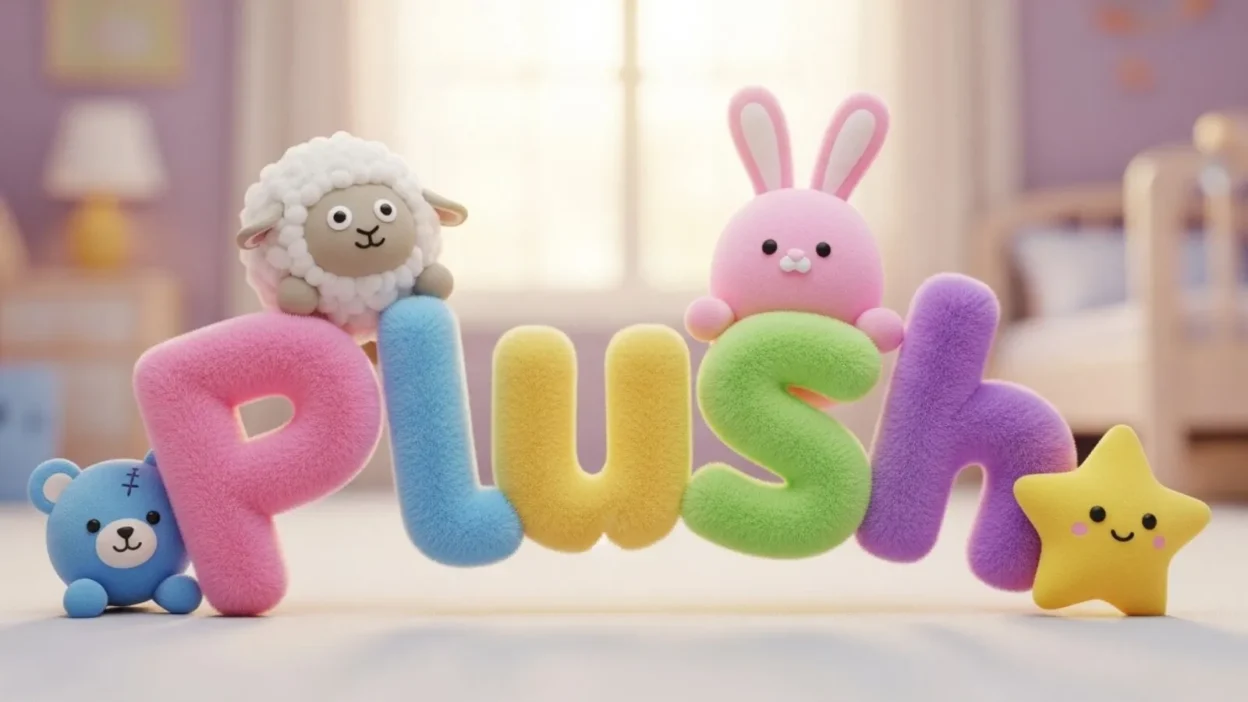
The term plush is one of those words that instantly brings to mind comfort, luxury, and softness, but its meaning goes far beyond what meets the eye.
From describing rich fabrics and cozy furniture to soft toys and even indulgent experiences, understanding plush meaning can help you use the word more effectively in everyday life.
If you’re shopping for a plush sofa, picking out a cuddly stuffed animal, or reading about fashion trends, knowing what “plush” truly represents adds clarity and style to your language.
This word carries both a literal sense referring to soft, thick fabrics and a figurative one, often linked with luxury and comfort.
In this article, we’ll explore the different contexts of plush, how it’s used in fashion, home décor, and toys, and even some fun facts. By the end, you’ll fully understand the versatile meaning of plush and how to apply it naturally.
What Does Plush Mean?
The word plush is commonly used to describe something that is soft, thick, and luxurious, but its meaning can vary depending on the context. At its core, plush refers to a material or texture that feels rich and comforting to the touch. For example, plush fabrics are often used in furniture, clothing, and home décor because they provide both elegance and a sense of coziness.
Etymologically, the word plush originated in the early 17th century, derived from the French word peluche, which means “hair” or “nap of cloth.” Over time, it came to describe fabrics that have a soft, raised surface, giving a velvety feel. Today, plush doesn’t only refer to textiles—it’s also used figuratively. People might describe a plush lifestyle, plush seating, or even a plush experience, implying luxury, comfort, and indulgence.
In addition to its literal sense, plush meaning extends to toys. Plush toys, commonly known as stuffed animals, are soft, huggable, and often associated with childhood. These toys are designed to provide comfort and emotional warmth, showing how the concept of plush goes beyond mere physical texture.
Understanding the multiple dimensions of plush allows you to use it accurately, whether you’re talking about fashion, home décor, or everyday language. Knowing when something is plush—literally or figuratively—adds sophistication to your descriptions and makes your communication more vivid.
Different Contexts of Plush
The word plush is versatile, appearing in several contexts that go beyond just describing a soft fabric. Understanding these contexts helps you use the term more accurately and creatively.
1. Plush in Fabrics:
In its most literal sense, plush refers to a soft, thick textile often used in furniture, clothing, and home décor. Plush fabrics are characterized by a dense, velvety pile that feels smooth and luxurious to the touch. Sofas, cushions, curtains, and even jackets can be made from plush material, creating a sense of comfort and elegance in everyday life.
2. Plush in Toys:
Another common usage of plush is in stuffed toys, popularly called plush toys. These soft, huggable items are designed to provide emotional comfort and companionship, especially for children. From teddy bears to animal-shaped cushions, plush toys combine softness with charm, making the word synonymous with warmth and affection in this context.
3. Plush as Luxury or Comfort:
Beyond physical items, plush is also used figuratively to describe luxurious, indulgent, or comfortable experiences. For instance, a hotel suite with plush interiors or a plush lifestyle implies richness, comfort, and a touch of sophistication. This figurative usage extends the word’s relevance beyond materials into everyday conversation and creative writing.
Plush in Fashion and Lifestyle
In the world of fashion and lifestyle, the term plush often symbolizes luxury, elegance, and comfort. Designers use plush fabrics in clothing such as jackets, coats, robes, and scarves to create pieces that feel rich to the touch while visually exuding sophistication. Unlike regular fabrics, plush has a dense, soft texture that adds depth and refinement to outfits, making it a favorite choice for high-end fashion collections.
Plush is also popular in accessories. Items like plush handbags, slippers, and even hats provide a tactile and visual appeal, combining style with comfort. Fashion enthusiasts often use plush pieces to convey a sense of indulgence and coziness, which is especially popular during colder seasons.
In lifestyle contexts, the word plush goes beyond clothing. Homes and interiors also embrace plush materials to create a luxurious and comforting environment. Plush rugs, cushions, and throws not only enhance the aesthetic of a room but also make spaces feel welcoming and cozy. Similarly, plush seating in restaurants, theaters, and lounges signifies sophistication and comfort, influencing the overall experience of a space.
Using the word plush in fashion and lifestyle writing helps convey a mix of softness, comfort, and elegance. Whether describing clothing, accessories, or luxurious living spaces, plush evokes a sense of indulgence that appeals to both the senses and emotions. It’s this versatility that makes plush meaning relevant in modern style and everyday life.
Plush vs Similar Words
While plush is often associated with softness and luxury, it’s important to distinguish it from other similar words like velvet, fleece, and suede, as each has unique characteristics. Understanding these differences helps you use the term plush accurately in fashion, home décor, and everyday descriptions.
Plush vs Velvet:
Velvet and plush are closely related, but they are not identical. Velvet usually has a shorter, smoother pile, giving it a sleek and shiny appearance. Plush, on the other hand, often has a thicker, deeper pile, making it feel softer and more cushioned. While both exude elegance, plush tends to feel warmer and more luxurious to the touch.
Plush vs Fleece:
Fleece is a synthetic fabric known for its lightweight warmth and quick-drying properties. While fleece is soft, it doesn’t have the same dense, indulgent texture as plush. Plush is generally thicker and more associated with luxury, whereas fleece is practical and casual.
Plush vs Suede:
Suede is a type of leather with a soft, napped surface. Unlike plush, which is fabric-based and cushioned, suede is thin, flexible, and less fluffy, often used in shoes, jackets, or furniture. The tactile experience of suede is smooth and velvety but not as enveloping as plush.
Examples of Plush in Everyday Language
The word plush is versatile, and knowing how to use it in everyday language can make your descriptions more vivid and engaging. Whether you are talking about fabrics, toys, or luxurious experiences, using plush correctly adds a touch of elegance and comfort to your sentences.
1. Talking About Fabrics:
When describing textiles, plush refers to soft, thick, and luxurious materials.
For example:
- “The sofa was covered in plush velvet, making it perfect for cozy evenings.”
- “She wore a plush robe that felt warm and indulgent after her shower.”
2. Talking About Toys:
Plush is also used to describe soft stuffed animals, commonly called plush toys:
- “He gave his daughter a plush teddy bear for her birthday.”
- “The toy store was filled with colorful plush animals of every size.”
3. Talking About Luxury or Comfort:
Plush can also be used figuratively to describe richness, comfort, or indulgence:
- “They stayed in a plush suite with velvet chairs and a king-size bed.”
- “The lounge offered plush seating that made guests feel pampered.”
4. Creative Writing and Everyday Speech:
Writers often use plush to evoke sensory experiences:
- “The garden was plush with soft green grass underfoot.”
- “Her life had become plush with success and comfort.”
By using plush in these ways, you can convey both literal softness and figurative luxury, making your language more expressive and appealing. This flexibility is what makes plush meaning so interesting and relevant in modern usage.
Symbolic and Cultural Meaning of Plush
Beyond its literal meaning, plush carries rich symbolic and cultural significance. It is often associated with comfort, warmth, and luxury, making it a word that evokes feelings as well as physical textures. In many cultures, plush items—such as soft toys, cushions, or luxurious fabrics—are symbols of care, indulgence, and emotional comfort.
Plush and Childhood:
Plush toys, like teddy bears and stuffed animals, are more than just playthings—they represent security, nostalgia, and affection. Many adults associate plush with happy childhood memories, making it a powerful symbol in storytelling, advertising, and even mental wellness.
Plush in Pop Culture:
The concept of plush appears frequently in movies, literature, and marketing. Plush interiors in films often symbolize wealth and sophistication, while plush toys are depicted as sources of joy and comfort. Brands also use plush imagery to communicate softness, luxury, and approachability, appealing to both children and adults.
Figurative Usage:
Figuratively, describing something as plush often conveys opulence and comfort. For example, a “plush lifestyle” implies wealth and indulgence, while a “plush hotel room” emphasizes comfort and elegance. This figurative use demonstrates how plush extends beyond tactile sensations into emotional and cultural expressions.
How to Identify Plush Material
Recognizing plush material is essential whether you’re shopping for clothing, furniture, or toys. Plush is not just soft—it has a distinct texture, thickness, and quality that sets it apart from other fabrics.
1. Feel and Texture:
Plush materials are dense, soft, and velvety. Running your hand over the surface should feel smooth, slightly raised, and cushioned. Unlike regular fabrics, plush has a tactile richness that invites touch, giving a sense of comfort and luxury.
2. Appearance:
Plush often has a slight sheen or depth due to its thick pile. This makes it look luxurious and rich, especially when used in furniture, curtains, or high-end clothing. The fibers catch light differently than flat fabrics, creating a subtle glow or softness in appearance.
3. Common Types of Plush Fabrics:
Plush can be made from natural fibers like cotton or silk or synthetic ones like polyester. Synthetic plush is often more durable and affordable, while natural plush offers a premium feel. When shopping, check the label to understand the material’s origin and care instructions.
4. Other Indicators:
- Plush fabrics tend to be heavier than ordinary fabrics due to their thickness.
- Plush toys usually feel huggable and soft while retaining shape.
- High-quality plush maintains softness even after washing, while cheaper versions may flatten or lose texture.
By understanding these characteristics, you can confidently identify true plush material and choose items that combine softness, durability, and luxury.
FAQs
1. Is plush the same as velvet?
Not exactly. While both plush and velvet are soft and luxurious, plush usually has a thicker, denser pile, giving it a cushioned feel, whereas velvet has a shorter, smoother surface. Plush feels warmer and more indulgent, while velvet is sleeker and shinier.
2. Can plush describe emotions or experiences?
Yes. Plush is often used figuratively to describe comfort, luxury, and indulgence. For example, a “plush hotel suite” or a “plush lifestyle” conveys richness and comfort beyond its physical texture.
3. What is plush fabric used for?
Plush fabric is widely used in furniture, home décor, fashion, and toys. Sofas, cushions, robes, jackets, and stuffed animals are common examples. Its soft texture and luxurious feel make it ideal for items that emphasize comfort and elegance.
4. How do you identify plush material?
True plush material is soft, dense, and cushioned. It usually has a slight sheen and retains its texture after touch or washing. Common types include synthetic polyester plush and natural cotton or silk blends.
5. Is plush always expensive?
Not necessarily. Plush can range from affordable synthetic fabrics to high-end natural fibers. Its price often depends on material quality, thickness, and brand.
6. How do you use “plush” in a sentence?
Examples:
- “The living room had plush carpets and velvet chairs.”
- “She hugged her plush teddy bear tightly before bed.”
- “The resort offered plush accommodations and top-tier service.”
Conclusion
The word plush is much more than just a description of soft fabric it embodies luxury, comfort, and indulgence across multiple contexts.
From plush fabrics in fashion and home décor to soft, huggable toys and even figurative expressions of luxury, understanding plush allows you to communicate more vividly and accurately.
Its versatility makes it a valuable term in both everyday language and creative writing, helping to convey tactile sensations as well as emotional and aesthetic richness.
Recognizing plush in materials, identifying its quality, and knowing how to use it figuratively can enhance your descriptions, whether you’re discussing clothing, furniture, toys, or experiences.
By exploring the literal, symbolic, and cultural meanings of plush, you can appreciate its depth and incorporate it confidently in conversation and writing. Ultimately, plush represents a blend of softness, elegance, and comfort that resonates across generations and lifestyles.