If you’ve spent any time in gaming forums, social media threads, or online chats, you’ve probably come across the abbreviation “MTG” and wondered, “What does that mean?” In 2026, this term is more popular than ever, especially among gamers, hobbyists, and online communities.
At its core, MTG stands for Magic: The Gathering, a legendary collectible card game that has captivated players worldwide for decades. But MTG isn’t just about cards it’s about strategy, creativity, and connecting with a vibrant community of players.
Beyond gaming, MTG is often used as slang or shorthand in online conversations, making it essential to understand its meaning in context.
If you’re a curious beginner, a casual player, or someone who just wants to keep up with gaming culture, knowing the MTG meaning can open doors to exciting conversations, engaging content, and even a new hobby you might fall in love with.
What Does MTG Mean?
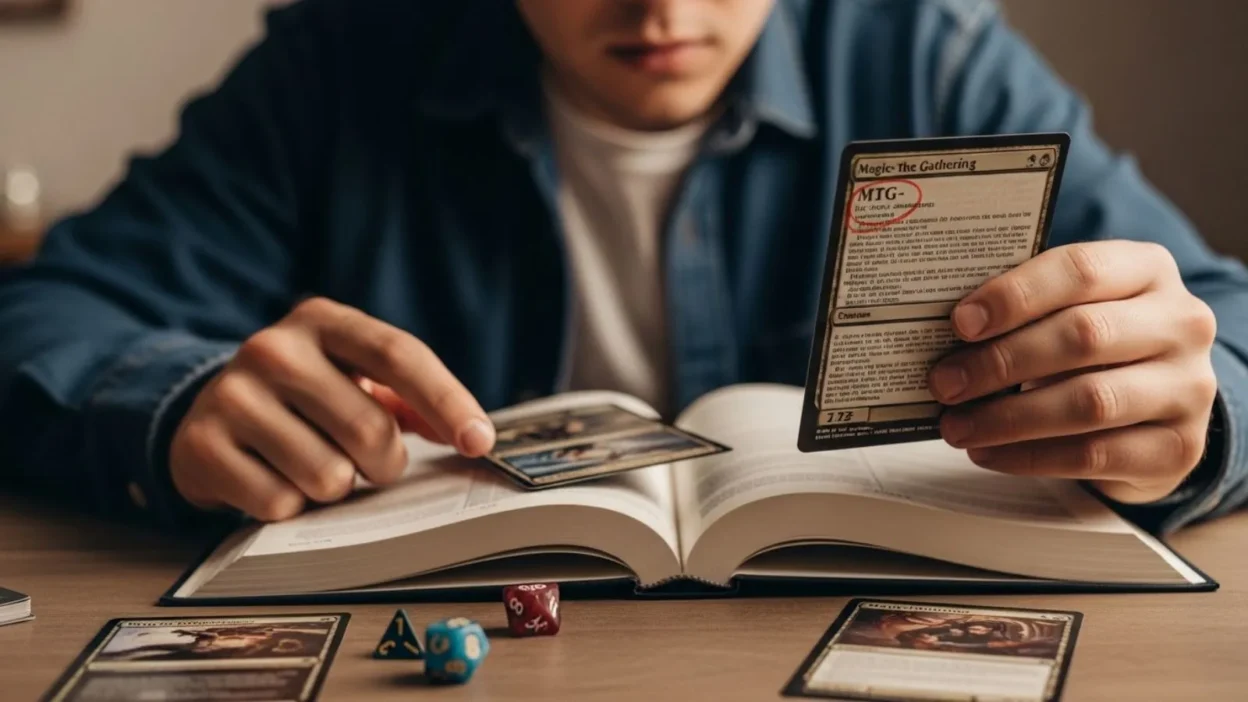
The abbreviation MTG can mean different things depending on the context, but most commonly, it refers to Magic: The Gathering, the iconic collectible card game created in 1993. For millions of players worldwide, MTG is more than just a game—it’s a blend of strategy, fantasy, and social interaction. In this context, MTG involves building decks, casting spells, summoning creatures, and competing against other players in both casual and professional settings. Each card has unique abilities, and the combinations you create can lead to endless possibilities, making every game a fresh experience.
However, MTG can also appear outside the gaming world as a general abbreviation. For example, in business emails or messaging apps, some people use MTG as shorthand for “meeting.” This dual usage means that understanding the context is crucial. A gamer seeing MTG in a chat is likely thinking about cards and decks, while a professional might interpret it as an upcoming meeting.
By recognizing the difference, you can avoid confusion and communicate more effectively, whether online or offline. Moreover, knowing the MTG meaning in both contexts allows you to join conversations confidently, whether you’re discussing the latest card expansions, digital versions like MTG Arena, or scheduling a meeting with colleagues. This versatility is why MTG continues to be a relevant and widely recognized term in 2026.
History of MTG (Magic: The Gathering)
Magic: The Gathering, often abbreviated as MTG, was created in 1993 by mathematician and game designer Richard Garfield. It quickly became the first collectible card game, introducing a revolutionary concept: players could build customized decks using cards from a vast library, creating nearly limitless strategies. The game was initially published by Wizards of the Coast, and its innovative design instantly captured the imagination of players worldwide.
The early 1990s marked the rise of MTG tournaments, local game stores, and casual gaming groups. Over the years, MTG evolved through multiple expansions, each introducing new mechanics, storylines, and collectible cards. Sets like Alpha, Beta, and Unlimited laid the foundation for what would become a global phenomenon. By the 2000s, MTG had not only expanded its card library but also embraced organized play, competitive tournaments, and a growing online presence.
In the digital era, MTG continued to innovate with platforms like MTG Arena, allowing players to enjoy the game online with updated graphics, events, and real-time gameplay. The game’s rich lore, strategic depth, and community-driven culture have made it an enduring part of pop culture.
Today, MTG is celebrated not just as a game but as a cultural icon, with millions of players, collectors, and fans worldwide. Understanding the history of MTG provides insight into why this abbreviation is so widely recognized in 2026 and why it continues to influence gaming, strategy, and even online conversations.
MTG in Online Communities
In 2026, the abbreviation MTG has become a staple in online communities, particularly among gamers, collectors, and enthusiasts of Magic: The Gathering. Beyond the card tables, MTG thrives in digital spaces where fans gather to discuss strategies, share deck ideas, and celebrate their favorite cards. Popular platforms like Reddit, Discord, and dedicated MTG forums host thousands of threads where newcomers and veteran players exchange tips, tutorials, and gameplay highlights.
Social media platforms like Twitter, Instagram, and TikTok have also transformed MTG into a cultural conversation. Players post short gameplay clips, memes, card collection reveals, and deck-building challenges, often tagging MTG-related content to connect with like-minded fans. In these spaces, understanding the meaning of MTG is essential—without it, newcomers might feel lost in conversations filled with card abbreviations, tournament results, and slang.
Online communities also play a significant role in fostering competitive play. Digital versions like MTG Arena allow players to participate in live tournaments, global events, and seasonal challenges. Forums and social media groups provide a space to analyze match outcomes, discuss rules clarifications, and even trade cards or digital assets.
Additionally, MTG online communities have become hubs of creativity. Fans design custom decks, invent house rules, and produce fan art inspired by the game’s rich lore. By being active in these communities, players not only enjoy the game but also become part of a vibrant, collaborative culture that keeps MTG relevant and engaging in 2026.
How MTG Became Popular in 2026
Magic: The Gathering (MTG) has seen a surge in popularity in 2026, fueled by a combination of digital innovation, community engagement, and pop culture presence. One of the biggest drivers is MTG Arena, the official digital platform, which allows players worldwide to enjoy the game without needing physical cards. With improved graphics, real-time matchmaking, and online tournaments, MTG Arena has made the game more accessible than ever, attracting new players and re-engaging veterans.
Esports and competitive tournaments have also contributed to MTG’s growing popularity. High-profile events, streamed live on platforms like Twitch and YouTube, showcase professional-level gameplay and strategies, inspiring viewers to join the game themselves. Influencers and content creators further amplify MTG’s reach, posting deck-building guides, gameplay highlights, and entertaining card reviews that resonate with both casual and serious players.
Beyond gaming, MTG has made waves in pop culture. Collaborations with other media franchises, limited edition sets, and collectible cards featuring artwork from famous artists create buzz on social media and among collectors. Memes, fan art, and online challenges have made MTG a fun topic for casual discussions, even among non-players.
Finally, the game’s combination of strategy, creativity, and social interaction keeps players invested. Unlike many casual games, MTG encourages long-term engagement through deck customization, evolving card sets, and competitive play. In 2026, this blend of digital innovation, community culture, and creative gameplay explains why MTG continues to thrive and remain one of the most recognized abbreviations in both gaming and online communities.
Understanding MTG Cards and Gameplay
At the heart of MTG (Magic: The Gathering) is its rich card-based gameplay, which combines strategy, creativity, and chance. Each player builds a deck, usually containing 60 or more cards, with creatures, spells, enchantments, and lands. The goal is to reduce your opponent’s life points to zero while protecting your own, using a combination of tactical decisions and well-timed moves.
Cards in MTG fall into several categories:
- Lands: Provide mana, the energy needed to cast spells.
- Creatures: Attack opponents and defend you from damage.
- Spells: Include instants and sorceries that can alter the game instantly.
- Artifacts & Enchantments: Offer ongoing effects and strategic advantages.
Gameplay in MTG is turn-based, with each turn divided into phases: drawing cards, playing lands, summoning creatures, casting spells, and attacking. The depth comes from the interactions between cards, which allow for countless combinations and strategies. Even a single card can drastically change the outcome of a match, making decision-making critical.
MTG appeals to both casual players and competitive strategists because it balances creativity and skill. Beginners can enjoy straightforward gameplay with preconstructed decks, while advanced players explore complex strategies, combos, and tournament-level play.
Understanding the basics of MTG cards and gameplay is essential not just for playing, but also for engaging in online discussions, trading, and appreciating the evolving meta. In 2026, MTG remains relevant due to this unique blend of strategic depth and creative freedom, making it a favorite across generations of players.
MTG Abbreviations and Slang
For anyone diving into Magic: The Gathering communities, understanding MTG abbreviations and slang is essential. These terms allow players to communicate quickly during games, online forums, and social media. Knowing them can make the difference between feeling lost and confidently participating in discussions.
Some of the most common MTG abbreviations include:
- TCG – Trading Card Game, the category MTG belongs to.
- EDH / Commander – A popular multiplayer format focusing on legendary creatures.
- LGS – Local Game Store, where many players meet and compete.
- MTGA – MTG Arena, the official digital version of the game.
- CMC – Converted Mana Cost, the total mana required to play a card.
- Dredge / Mill / Combo – Terms describing specific strategies or deck types.
In addition to abbreviations, slang is widely used to describe gameplay situations.
For example,
Topdecking” refers to drawing a needed card at the perfect moment, while “aggro” describes an aggressive deck focused on fast damage. “Ramp” indicates accelerating mana production to play powerful cards earlier than usual.
As MTG continues to grow online in 2026, slang evolves rapidly, especially on platforms like Discord, Reddit, and Twitch, where tournaments and casual games are streamed live. Fans also create memes, shorthand guides, and hashtag trends that spread terminology to wider audiences.
By familiarizing yourself with these abbreviations and slang, you can confidently read forums, follow online matches, and join MTG conversations without confusion. Understanding the language of MTG is as important as knowing the game itself—it’s what connects the global community of players and keeps the game thriving in 2026.
MTG for Non Gamers
While MTG is primarily known as Magic: The Gathering, a collectible card game, its influence extends far beyond gaming. Even if you’re not a player, understanding MTG can be surprisingly useful in online conversations, pop culture references, and social media trends. In 2026, MTG has become a widely recognized term, often appearing in discussions about strategy, creativity, or fandom culture.
MTG has influenced storytelling, art, and digital entertainment. The game’s lore, with its rich worlds, characters, and magical themes, inspires novels, fan art, and video content. Many non-gamers encounter MTG through memes, YouTube clips, or discussions about popular expansions and card designs. By knowing the MTG meaning, you can participate in these conversations and appreciate the cultural impact of the game.
Additionally, MTG terminology is sometimes used metaphorically outside of gaming. Words like “deck-building,” “combo,” or “aggro” have crossed over into workplace discussions, strategy talks, or casual chats. Recognizing these references helps non-gamers understand context and engage with communities more effectively.
Finally, MTG’s online presence makes it relevant even for those who don’t play physically. Platforms like MTG Arena, Twitch streams, and social media discussions mean that MTG culture intersects with general digital trends. By understanding MTG, non-gamers can stay culturally aware, follow trending topics, and connect with friends or colleagues who are fans. In 2026, knowing MTG meaning is about more than the game—it’s about being part of a shared digital culture.
How to Start Playing MTG
Getting started with MTG (Magic: The Gathering) may seem intimidating at first, but in 2026, there are more resources than ever for beginners. The first step is understanding that MTG can be played physically with cards or digitally through MTG Arena, the official online platform. Both options offer accessible ways to learn the game, practice strategies, and join communities.
For beginners, the easiest way to start is with a starter deck. These pre-constructed decks are balanced, simple, and designed to teach the game mechanics without overwhelming new players. Starter decks typically include lands, creatures, and basic spells, allowing you to focus on learning the flow of the game rather than creating a deck from scratch.
Joining a local game store (LGS) or online community can also accelerate learning. LGSs often host beginner-friendly events, tutorials, and casual matches, giving players a supportive environment to practice. Online platforms, forums, and MTG Discord channels provide digital alternatives, with guides, deck-building advice, and live gameplay streams.
Once you’re comfortable with the basics, you can explore deck customization, experiment with different strategies, and even participate in tournaments—both casual and competitive. Watching online matches and tutorials helps beginners understand advanced strategies and common card interactions.
Starting with MTG is not just about playing a game—it’s about joining a vibrant community, developing critical thinking, and enjoying creative strategy. In 2026, whether online or in person, MTG offers a welcoming entry point for newcomers to discover one of the world’s most popular card games.
Frequently Asked Questions About MTG Meaning
1. What does MTG stand for?
The most common meaning of MTG is Magic: The Gathering, the collectible card game. However, in other contexts, MTG can also mean “meeting,” so it’s important to consider where and how it’s used.
2. How do you pronounce MTG?
Most players pronounce it by spelling out the letters: “M-T-G.” Some casual players may also refer to it simply as “Magic,” especially when discussing the card game.
3. Do I need to be a gamer to understand MTG?
Not at all. While MTG is a game, knowing its meaning helps you engage in online discussions, understand memes, and follow digital culture trends. Non-gamers can benefit from familiarity with MTG in social or professional contexts.
4. What are the most valuable MTG cards in 2026?
Card values change constantly due to rarity, demand, and tournament relevance. Collector favorites often include older sets like Alpha and Beta cards, as well as limited edition releases.
5. Can MTG help develop skills?
\Absolutely. Playing MTG encourages strategic thinking, planning, problem-solving, and even creativity in deck-building. Competitive play teaches patience and decision-making under pressure.
Conclusion
In 2026, understanding the MTG meaning is more than just knowing it stands for Magic: The Gathering it’s about connecting with a global community, exploring strategy, and appreciating a cultural phenomenon that has spanned decades.
If you’re a beginner looking to play, a casual fan following online discussions, or someone interested in gaming culture, knowing what MTG represents opens doors to engaging conversations and new experiences.
From its rich history and evolving gameplay to online communities, abbreviations, and digital platforms like MTG Arena, MTG continues to thrive and captivate players around the world.
Even non-gamers can benefit from recognizing MTG slang, pop culture references, and social trends.
So, whether you’re ready to build your first deck, follow a tournament, or simply understand what MTG means in online chats, this versatile term offers something for everyone.
Embrace the world of MTG and discover why it remains one of the most celebrated card games and online abbreviations in 2026.