
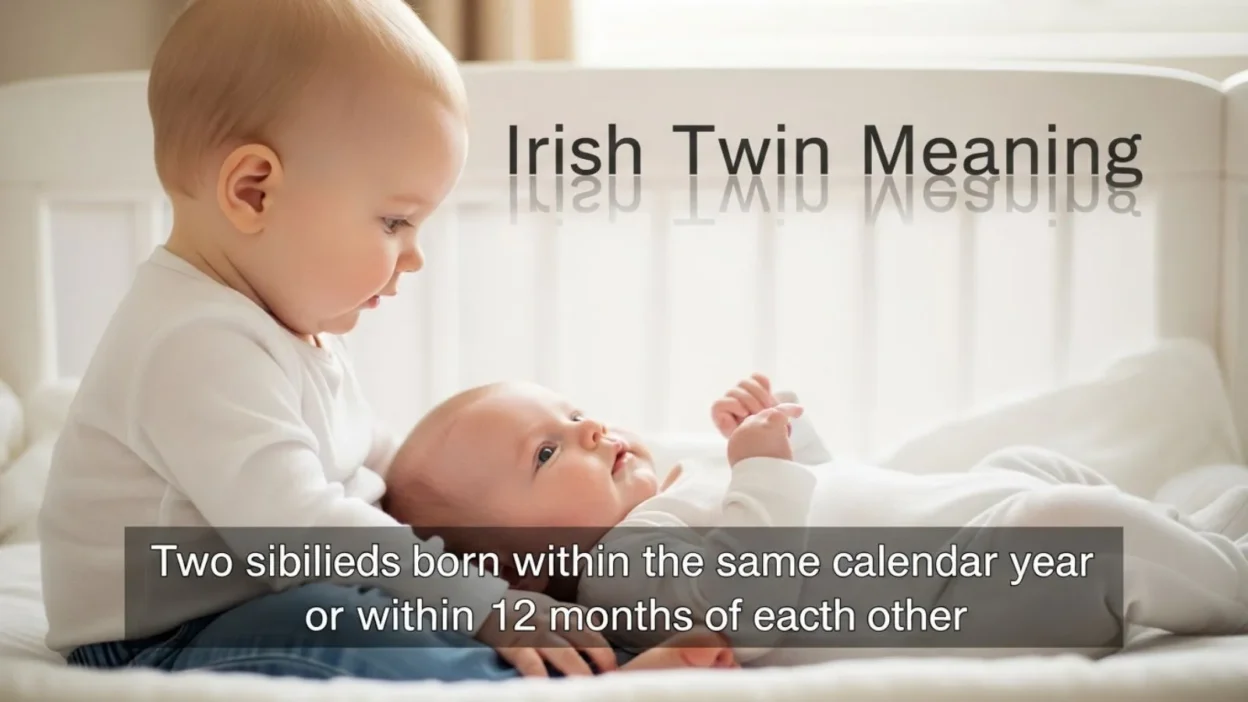
When you hear the term “Irish twins,” you might picture mischievous siblings or wonder what exactly it means. Simply put, Irish twins are siblings born less than 12 months apart, making them extremely close in age.
While the phrase originally carried cultural stereotypes tied to 19th-century Irish families, today it’s mostly used casually and sometimes humorously to describe the unique dynamics of children born so close together.
For parents, having Irish twins can be both rewarding and challenging, requiring careful balancing of attention, routines, and nurturing individuality. Beyond parenting, the term sparks curiosity among friends, educators, and anyone interested in family dynamics.
In this article, we’ll explore the Irish twin meaning, dive into its origins, clarify common misconceptions, highlight both challenges and benefits, and even share tips and fun facts about these closely-aged siblings. By the end, you’ll understand what makes Irish twins special and why the term has endured through time.
What Exactly Does Irish Twin Mean?
The term Irish twin refers to siblings born less than 12 months apart. While it isn’t a formal medical or legal term, it’s widely used in everyday conversation, parenting communities, and even pop culture. Some sources extend the definition slightly, considering siblings born within 18 months of each other as Irish twins, but the core idea is that these children are close in age and often share overlapping developmental stages.
Having Irish twins creates a unique family dynamic. Because the siblings are so close in age, they often experience milestones, like walking, talking, or starting school, around the same time. This can lead to strong bonds and a built-in playmate from an early age. On the flip side, parents must navigate double challenges—like sleep deprivation, overlapping needs, and juggling schedules—all while ensuring each child gets enough attention and emotional support.
It’s important to note that being Irish twins doesn’t mean the siblings are identical in personality or development. Each child is still an individual with their own temperament, interests, and needs. The term simply describes the timing of birth, not the relationship or family experience itself. Understanding this definition helps clarify what people mean when they casually refer to Irish twins and sets the stage for exploring the term’s history, modern usage, and parenting implications.
Origin of the Term “Irish Twin”
The phrase “Irish twin” has an interesting history rooted in both culture and immigration. It first appeared in the 19th century, during a period when many Irish families emigrated to the United States. Large families were common in Ireland at the time, and children were often born close together due to limited access to contraception and cultural norms valuing large households. As a result, siblings born less than a year apart were not unusual in Irish communities.
Early American newspapers and literature sometimes used the term to describe these closely spaced siblings, though it occasionally carried a stereotypical or judgmental tone, reflecting prejudice against Irish immigrants. Over time, the term evolved from a cultural stereotype into a more casual, lighthearted expression. Today, most people use “Irish twins” without any negative connotations, often simply to highlight how close in age two siblings are.
Understanding the origin of the term adds perspective to its meaning. While it began with a specific cultural and historical context, modern usage focuses on family dynamics rather than ethnicity. Parents, educators, and writers now use the term to describe the challenges and joys of siblings born close together. By knowing its history, readers can appreciate the evolution of language and see why the phrase has endured for over a century as a playful way to describe closely aged siblings.
Common Misconceptions About Irish Twins
Despite its casual use today, the term “Irish twins” comes with several misconceptions that can cause confusion or even offense if not understood properly. One of the most common myths is that Irish twins are somehow “unhealthy” or that having siblings so close in age is inherently problematic. In reality, being Irish twins does not determine a child’s health, development, or success. It simply describes the timing between births, not the quality of parenting or the children’s well-being.
Another misconception is that the term is offensive or culturally insensitive. While it originated during a period of prejudice against Irish immigrants, modern usage is largely neutral and descriptive. Most people today use it to refer to siblings born within a year of each other, often with humor or admiration for parents managing two little ones almost simultaneously.
Some also mistakenly think Irish twins must be “twins” in the medical sense, born from the same pregnancy. This is not true—Irish twins are two separate pregnancies, just closely spaced in time. Understanding this distinction is important to avoid confusion when the term comes up in conversations, parenting forums, or media.
Finally, there’s a misconception that Irish twins always have difficult sibling relationships. While close age can present challenges, many Irish twins grow up with strong bonds, mutual support, and lasting friendships. Recognizing these myths helps readers approach the topic with clarity, respect, and a positive perspective on sibling dynamics.
Parenting Challenges of Irish Twins
Raising Irish twins can be both rewarding and demanding. Because siblings are born so close together—often less than a year apart—parents face unique challenges that require careful planning, patience, and flexibility. One of the biggest difficulties is managing sleep schedules. With two infants or toddlers needing attention at almost the same time, parents may experience extended periods of interrupted sleep, which can be exhausting and impact daily life.
Feeding is another major challenge. Whether breastfeeding, bottle-feeding, or managing solid meals, parents often have to coordinate two children’s nutritional needs simultaneously. Diaper changes, playtime, and naps must also be carefully balanced, which can make daily routines feel overwhelming.
Emotional attention is equally important. Irish twins are close in age, so rivalry or jealousy can arise if one child perceives the other is receiving more attention. Parents must nurture individuality, ensuring each child feels valued while fostering sibling bonds.
Logistical issues add to the challenge. Trips to the doctor, daycare, or outings require careful timing and planning, and parents often need support from partners, family, or childcare providers. Despite these hurdles, many parents find that having Irish twins strengthens family bonds, builds resilience, and creates rewarding moments of connection as children grow together. Understanding the challenges allows parents to develop strategies that balance care, attention, and enjoyment for both children.
Benefits of Having Irish Twins
While raising Irish twins comes with challenges, there are also many unique benefits that make the experience rewarding for both parents and children. One of the most notable advantages is the strong bond between siblings. Growing up so close in age, Irish twins often become fast friends, sharing toys, experiences, and milestones together. This proximity can foster lifelong companionship, teamwork, and empathy from an early age.
Another benefit is the opportunity for shared learning experiences. Since Irish twins are at similar developmental stages, they can encourage each other to try new activities, develop skills, and learn from each other’s successes and mistakes. This dynamic can accelerate growth, creativity, and confidence in both children.
Parents may also notice practical benefits. Once routines for one child are established, the second child often adapts quickly, making scheduling, feeding, and activities more predictable over time. Additionally, witnessing siblings navigate challenges together teaches resilience, cooperation, and problem-solving skills, which can positively shape their personalities and relationships.
Beyond practicalities, many parents find joy in the energy and laughter Irish twins bring to the household. Daily life can be lively, filled with playful interactions and shared discoveries. In short, Irish twins offer a unique combination of closeness, mutual support, and developmental advantages that make the parenting journey challenging but deeply rewarding.
Famous Examples of Irish Twins
Irish twins aren’t just common in everyday families they appear frequently in the lives of celebrities, historical figures, and public personalities. These closely spaced siblings often grow up with unique bonds that can shape their careers, relationships, and personal stories. Understanding famous examples can give perspective on how Irish twins navigate life beyond the household.
One notable example is Mary-Kate and Ashley Olsen, though technically twins, they highlight the attention given to siblings close in age in pop culture. For actual Irish twins, celebrities like Scarlett Johansson and her younger sibling Hunter Johanssonborn just under a year apart—demonstrate how close-age siblings can thrive in parallel careers. Similarly, Prince William and Prince Harry, though spaced slightly more than a year apart, are often referred to in discussions of close siblings, illustrating how public life can magnify sibling dynamics.
Irish twins aren’t limited to celebrities. Many historical figures came from families with children born in quick succession, reflecting cultural norms of their times. In these families, siblings often relied on each other for support, teamwork, and companionship, creating bonds that influenced both personal and professional growth.
Highlighting famous Irish twins helps normalize the experience and shows the advantages of close-age siblings. From mutual support to shared creativity, Irish twins often develop resilience, collaboration skills, and a lifelong connection that sets them apart. These examples inspire parents and families to embrace the joys and challenges of raising siblings born close together.
Tips for Managing Irish Twins
Raising Irish twins can be both exciting and challenging, but with thoughtful strategies, parents can create a balanced and harmonious environment. One of the first tips is to establish clear routines. Consistent schedules for sleeping, feeding, and playtime help both children know what to expect and reduce stress for parents. Predictability makes it easier to manage two close-in-age siblings simultaneously.
Another helpful strategy is to encourage individuality. Even though Irish twins share many experiences, each child has unique interests and needs. Providing separate activities, personal space, and one-on-one attention helps prevent rivalry and allows each child to develop a strong sense of identity.
Practical planning also makes daily life smoother. Batching tasks, like preparing meals or doing laundry for both children at the same time, saves time and reduces stress. Asking for help from partners, relatives, or childcare providers can also give parents much-needed breaks.
Fostering cooperation between siblings is equally important. Encourage teamwork through games, shared chores, and collaborative play. This strengthens bonds and teaches problem-solving skills early.
Finally, parents should embrace flexibility and humor. Not every day will go as planned, and a lighthearted approach helps manage inevitable challenges. By combining routines, personal attention, teamwork, and flexibility, parents of Irish twins can create a nurturing environment where both children thrive, and the joys of having closely spaced siblings can truly shine.
Irish Twin Fun Facts and Trivia
Irish twins aren’t just a parenting topic—they’re full of interesting quirks and fun facts that make the concept even more engaging. For starters, while the term “Irish twin” is widely used today, statistics show that only a small percentage of siblings are born less than 12 months apart. This makes the experience relatively rare and often a topic of fascination for parents and families.
In pop culture, Irish twins frequently appear in TV shows, movies, and books. Writers often use closely spaced siblings to explore sibling rivalry, teamwork, or comedic situations. Their proximity in age can lead to hilarious misunderstandings, competitive games, or moments of unexpected cooperation—highlighting both the challenges and joys of having siblings so close together.
Another interesting fact is that families with Irish twins often notice accelerated social and emotional development. Since the children are always interacting with someone close in age, they learn sharing, empathy, and cooperation earlier than some other siblings. Parents also report that milestones like walking or talking often happen in parallel, providing double the excitement—and sometimes double the chaos!
Even lighthearted trivia exists around the term. For example, Irish twins are sometimes jokingly called “double trouble” or “mini tornadoes” because of their high energy and overlapping needs. Understanding these fun aspects shows that while raising Irish twins can be challenging, it’s also filled with laughter, surprises, and unique memories that families treasure for years.
FAQ About Irish Twins
Q1: What is an Irish twin?
An Irish twin refers to siblings born less than 12 months apart. It’s not a medical term but a casual way to describe children who are very close in age. Some definitions extend to 18 months, but the core idea is closely spaced births.
Q2: Are Irish twins the same as twins?
No. Twins are born from the same pregnancy, while Irish twins are born in separate pregnancies, usually within a year of each other. The term only describes age proximity, not the pregnancy itself.
Q3: Is the term “Irish twin” offensive?
While the term originated during a time of prejudice against Irish immigrants, today it is generally considered neutral. Most people use it descriptively or humorously, focusing on age spacing rather than ethnicity.
Q4: What are the challenges of having Irish twins?
Parents may face sleep deprivation, overlapping feeding schedules, emotional attention balancing, and logistical planning for two children so close in age. Rivalry can occur, but with proper strategies, it can be managed effectively.
Q5: What are the benefits of Irish twins?
Irish twins often develop strong sibling bonds, learn social skills early, and enjoy shared milestones. Parents may find joy in their interactions and the companionship the children provide each other.
Q6: How common are Irish twins?
They are relatively rare today, especially in countries where families tend to space children further apart. However, they remain a fascinating family dynamic that sparks curiosity and interest.
Conclusion:
In summary, Irish twins are siblings born less than 12 months apart, a term that has evolved from historical origins into a casual and often playful way to describe closely spaced children.
While raising Irish twins comes with challenges like overlapping schedules, divided attention, and managing rivalry it also offers unique benefits.
These siblings often develop strong bonds, learn social skills early, and share memorable experiences that shape their personalities.
Understanding the term’s meaning, origin, and modern usage helps clarify misconceptions and highlights the joys of having children so close in age. Whether you’re a parent, educator, or simply curious about family dynamics, recognizing the realities of Irish twins provides valuable insight.
By embracing both the challenges and rewards, families can nurture close, loving relationships and create lasting memories for siblings born near each other in age.