
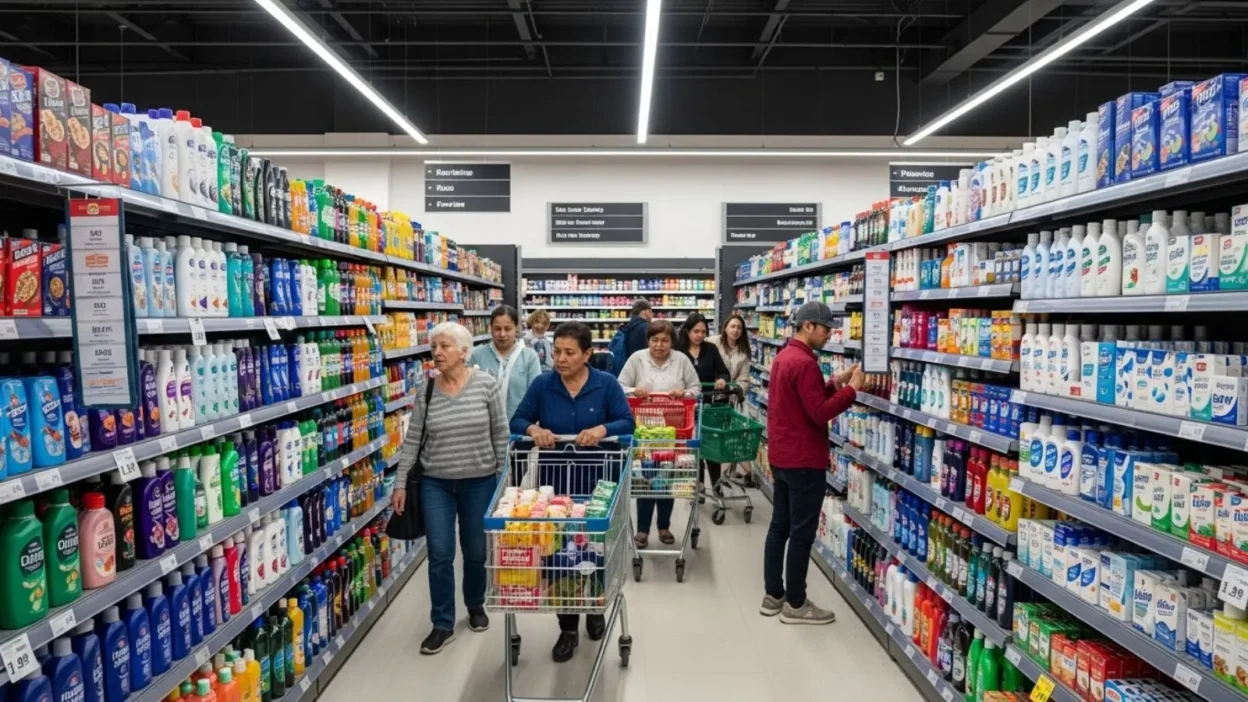
Have you ever wondered why certain products, like snacks, soft drinks, or toiletries, are always available on store shelves no matter the season? These everyday essentials fall under the category of FMCG, which stands for Fast-Moving Consumer Goods.
Understanding the FMCG meaning is crucial for anyone interested in business, marketing, or retail because these products form the backbone of the consumer market.
FMCG products are sold quickly, at relatively low prices, and are purchased frequently, making them a vital part of both the economy and our daily lives.
From toothpaste and soap to packaged foods and beverages, these goods touch almost every aspect of our routine.
In this article, we’ll explore the FMCG full form, its characteristics, examples, and why this industry is so important. By the end, you’ll have a clear understanding of the FMCG industry and how it shapes consumer behavior.
What Does FMCG Stand For?
FMCG stands for Fast-Moving Consumer Goods, a term widely used in business, retail, and marketing to describe products that are sold quickly and at relatively low cost. These goods are essential items that people use every day, which is why they are in constant demand. Examples include food and beverages, personal care items like soap and toothpaste, household essentials such as detergents and cleaning products, and even small consumables like snacks and soft drinks.
The defining characteristic of FMCG products is their fast turnover. Unlike durable goods, which are purchased infrequently, FMCG products are bought repeatedly because they are consumed quickly. This means companies in the FMCG industry rely on high volume sales rather than high profit margins per item.
Another important aspect of FMCG is widespread distribution. To ensure products are always available to consumers, companies maintain extensive supply chains that deliver goods to supermarkets, retail stores, and online platforms efficiently. Branding, packaging, and pricing also play a key role in FMCG success because consumers often make quick purchasing decisions.
Understanding the FMCG meaning is not only important for businesses but also for students, marketers, and anyone interested in the economy. The FMCG sector drives growth, creates employment, and influences daily consumer behavior worldwide. In short, FMCG products are everywhere—fast-moving, affordable, and indispensable to our everyday lives.
Examples of FMCG Products
FMCG products are everywhere, forming a significant part of our daily lives. These goods are designed for frequent consumption, low cost, and fast turnover. To better understand the FMCG meaning, it helps to look at some common examples across different categories.
1. Food and Beverages:
This is one of the largest FMCG categories. Products like snacks, soft drinks, packaged foods, dairy products, and ready-to-eat meals are consumed daily. For instance, chips, cookies, instant noodles, and juices are all typical FMCG items that people buy repeatedly.
2. Personal Care Products:
Items that help maintain personal hygiene and grooming also fall under FMCG. Toothpaste, shampoo, soap, deodorants, and skincare products are essential for everyday life. Brands often focus on packaging, fragrance, and brand loyalty to attract buyers in this competitive market.
3. Household Products:
Cleaning and household maintenance products are another critical FMCG segment. This includes laundry detergents, dishwashing liquids, cleaning sprays, tissues, and paper towels. These products are purchased frequently because they run out quickly and are necessary for daily chores.
4. Other Consumables:
Small everyday items such as batteries, pens, and beverages like tea and coffee also belong to the FMCG category.
The common factor across all these products is that they are fast-moving, affordable, and consumed regularly. Companies like Nestle, Unilever, Procter & Gamble, and Dabur dominate this sector, ensuring that FMCG goods are available everywhere—from supermarkets to local corner shops. Understanding these examples gives a clear view of how FMCG products impact both consumers and businesses globally.
FMCG vs Consumer Durables
Understanding the difference between FMCG products and consumer durables is key to fully grasping the FMCG meaning and its role in the market. While both categories cater to consumers, they have distinct characteristics that set them apart.
FMCG products are fast-moving, low-cost items that people buy frequently. Examples include snacks, beverages, toothpaste, soaps, and detergents. The demand for FMCG goods is constant because they are consumed quickly and need regular replacement. These products generate revenue through high volume sales rather than high profit margins per unit. The marketing of FMCG items focuses on brand recognition, packaging, pricing, and easy accessibility, making them available in supermarkets, local stores, and online platforms.
On the other hand, consumer durables are products that last longer, are more expensive, and are purchased less frequently. Examples include refrigerators, washing machines, televisions, and furniture. These items involve a higher financial commitment, and consumers typically plan their purchase after careful consideration. The sales strategy for durables emphasizes product quality, warranties, long-term value, and after-sales service rather than frequent repurchases.
The main differences between FMCG and consumer durables can be summarized in three points: purchase frequency, price, and lifespan. FMCG products are low-cost, short-lived, and bought often, while consumer durables are high-cost, long-lasting, and purchased infrequently.
By comparing the two, it becomes clear why FMCG plays a crucial role in daily consumption and the economy. While consumer durables are essential for long-term needs, FMCG products dominate everyday life due to their fast turnover, affordability, and constant demand.
Importance of FMCG in the Economy
The FMCG sector plays a vital role in both the global and local economy. Understanding the FMCG meaning goes beyond knowing it as “fast-moving consumer goods”; it’s about recognizing how these products impact daily life, employment, and business growth.
One of the main contributions of FMCG is its constant demand and high turnover, which drives significant revenue for companies and retailers. Unlike luxury items or consumer durables, FMCG products are purchased frequently, ensuring a steady cash flow. This stability benefits manufacturers, wholesalers, and retailers, forming a critical part of the supply chain.
The FMCG industry is also a major source of employment. From factory production workers to marketing professionals, sales executives, and distribution personnel, the sector creates millions of jobs worldwide. In developing countries, FMCG companies often provide opportunities for small retailers and local suppliers, boosting regional economic growth.
Another aspect of FMCG’s importance is its impact on innovation and branding. Companies continually develop new products, packaging, and marketing strategies to attract consumers. This innovation drives competition and keeps the market dynamic, benefiting consumers with better choices and quality.
Finally, FMCG products influence daily consumer behavior. Essential items like food, beverages, personal care, and household goods are integral to everyday life. Their availability ensures convenience, hygiene, and satisfaction for millions of people.
Top FMCG Companies
The FMCG industry is dominated by several global and regional companies that have become household names. These companies consistently deliver fast-moving consumer goods, ensuring availability, quality, and brand loyalty across markets. Understanding the FMCG meaning is easier when we look at the leaders shaping this sector.
Global Leaders:
- Unilever: Known for brands like Dove, Lipton, and Surf Excel, Unilever has a strong presence in food, personal care, and household products.
- Nestle: This Swiss giant offers a wide range of FMCG items, including chocolates, beverages, dairy products, and baby foods.
- Procter & Gamble (P&G): Famous for products such as Ariel, Gillette, and Pantene, P&G focuses on personal care, hygiene, and household goods.
- Coca-Cola: Dominating beverages, Coca-Cola and its subsidiaries provide soft drinks, juices, and ready-to-drink beverages worldwide.
Regional and Local Companies:
- In India, companies like Hindustan Unilever Limited (HUL), Dabur, and ITC offer FMCG products tailored to local tastes, from foods and beverages to personal care items.
- These companies combine local knowledge with global best practices to reach millions of consumers efficiently.
The success of these companies lies in their efficient supply chains, strong branding, and innovation. By continuously introducing new products and marketing strategies, they maintain consumer interest and ensure fast turnover.
Marketing Strategies in FMCG
The FMCG industry thrives on fast sales and repeat purchases, making marketing strategies a crucial part of its success. Understanding the FMCG meaning isn’t complete without knowing how companies attract, influence, and retain consumers in a highly competitive market.
One key strategy is brand building. FMCG products are often low-cost items, so strong branding helps companies stand out. Recognizable logos, appealing packaging, and consistent messaging encourage consumers to choose a product over competitors. For example, brands like Dove, Nestle, and Coca-Cola use brand trust to maintain loyalty.
Promotions and discounts are another common tactic. FMCG companies frequently offer limited-time deals, combo packs, or free samples to encourage quick purchases. These short-term incentives drive higher turnover and keep products moving off the shelves.
Distribution strategy is equally important. FMCG products must be available everywhere—from supermarkets and convenience stores to online marketplaces. Companies invest heavily in logistics, supply chain management, and partnerships with retailers to ensure products reach consumers quickly.
Advertising and digital marketing also play a major role. Television, social media, influencer campaigns, and online ads help reach a wide audience and create brand awareness. Companies often tailor campaigns to regional preferences and trending consumer behavior.
Lastly, product innovation ensures long-term relevance. FMCG brands continuously update formulas, packaging, and product variants to meet changing consumer needs.
Future Trends in FMCG (2026)
The FMCG industry is evolving rapidly, and understanding the FMCG meaning today requires looking at the trends shaping its future. As consumer preferences change, companies are adapting to remain competitive, sustainable, and technologically advanced.
1. Sustainability and Eco-Friendly Packaging:
Consumers are increasingly conscious of environmental impact. FMCG companies are adopting biodegradable, recyclable, and minimalistic packaging to reduce waste. Brands that prioritize sustainability gain a competitive edge, as eco-friendly products attract loyal, socially responsible buyers.
2. Digital Transformation:
E-commerce and online retail are becoming central to FMCG sales. Companies are investing in digital platforms, mobile apps, and online marketplaces to reach consumers directly. Digital marketing, social media campaigns, and AI-driven personalized recommendations are helping brands engage buyers more effectively.
3. Health and Wellness Products:
The rising focus on health has led FMCG brands to launch organic, low-sugar, and functional foods, as well as natural personal care products. Consumers increasingly prefer products that promote well-being, creating opportunities for innovation.
4. Smart Supply Chains:
Advanced analytics, AI, and IoT are improving inventory management, demand forecasting, and logistics efficiency. This ensures products are available in the right place at the right time, reducing waste and meeting consumer expectations.
5. Personalization and Consumer Experience:
Customized packaging, subscription models, and targeted promotions are becoming common. Companies are creating personalized experiences to strengthen brand loyalty.
In summary, the future of FMCG in 2026 is shaped by sustainability, digital innovation, health trends, efficient supply chains, and personalized experiences. These trends not only drive growth but also redefine how consumers interact with everyday products. Staying ahead in FMCG requires agility, innovation, and a deep understanding of evolving consumer behavior.
FAQs About FMCG
1. What are FMCG products?
FMCG products, or Fast-Moving Consumer Goods, are everyday items that are sold quickly at relatively low prices. These include food and beverages, personal care products, household goods, and small consumables. They are purchased frequently and have a short shelf life, making them essential for daily use.
2. How is FMCG different from consumer durables?
The main differences lie in price, lifespan, and purchase frequency. FMCG products are low-cost, consumed quickly, and bought repeatedly, whereas consumer durables like refrigerators, TVs, and furniture are high-cost, long-lasting, and purchased infrequently.
3. Why do FMCG products sell quickly?
FMCG items sell fast because they are essential, affordable, and consumed regularly. Companies also invest in branding, distribution, and promotions to ensure products are available everywhere, encouraging repeat purchases.
4. What are some examples of FMCG products?
Common FMCG products include snacks, soft drinks, toothpaste, soap, shampoos, detergents, and packaged foods. These items are present in supermarkets, convenience stores, and online platforms.
5. Why is FMCG important for the economy?
FMCG drives high-volume sales, steady revenue, and employment opportunities. The sector also encourages innovation, supports supply chains, and ensures the availability of essential goods to millions of consumers worldwide.
Conclusion
In conclusion, understanding the FMCG meaning is essential for anyone interested in business, marketing, or everyday consumer behavior.
Fast-Moving Consumer Goods are products that are purchased frequently, consumed quickly, and sold at relatively low prices, ranging from food and beverages to personal care and household items.
These products form the backbone of the retail and consumer market, driving high-volume sales and creating employment opportunities worldwide.
FMCG companies, whether global giants like Nestle, Unilever, and Procter & Gamble or local brands, rely on strong branding, efficient supply chains, and innovative marketing strategies to meet consumer demand.
With trends like sustainability, digital transformation, and personalized products shaping the future, the FMCG sector continues to evolve rapidly.
By recognizing the importance of FMCG in daily life and the economy, readers can better understand how these fast-moving products influence consumption patterns, business growth, and global markets.
FMCG isn’t just about products it’s about convenience, accessibility, and everyday living.