
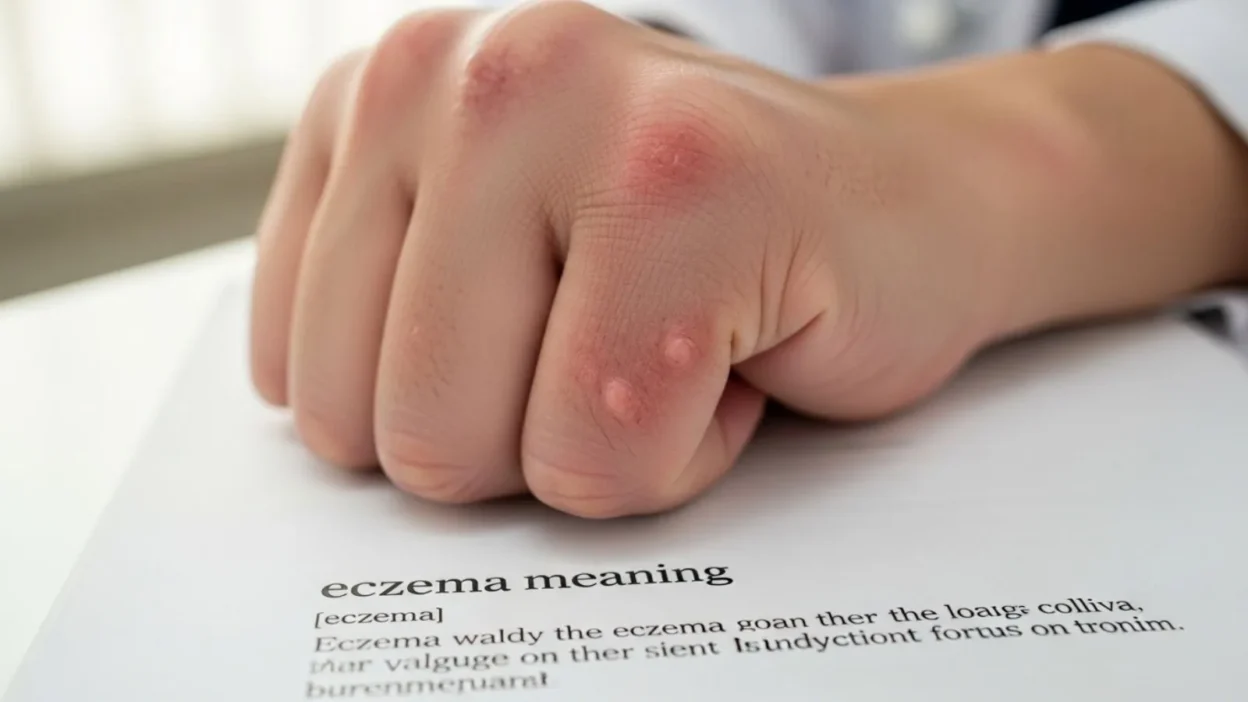
Eczema is a term that many people have heard, but few truly understand. If you’ve ever experienced red, itchy, or inflamed skin or noticed someone else dealing with flare-ups you may wonder,
What exactly is eczema? Simply put, eczema refers to a group of skin conditions that cause irritation, inflammation, and discomfort.
The most common form, atopic dermatitis, can appear at any age, affecting both children and adults.
While eczema isn’t contagious, it can significantly impact daily life, causing not only physical discomfort but also emotional stress. Understanding the meaning of eczema is the first step toward identifying symptoms, managing triggers, and finding effective treatments.
If you’re a parent noticing signs in your child, someone experiencing recurring flare-ups, or just curious about skin health, this guide will help you explore eczema in depth its causes, symptoms, treatments, and practical tips for living with it.
What is Eczema? (Definition & Types)
Eczema is a chronic skin condition that leads to inflammation, redness, itching, and dryness. Medically, it is often referred to as atopic dermatitis, though the term “eczema” actually covers several related skin disorders. It occurs when the skin’s natural barrier is weakened, allowing irritants, allergens, or microbes to penetrate more easily, which triggers inflammation. While the exact cause is not fully understood, eczema is commonly linked to genetics, immune system responses, and environmental factors.
There are several types of eczema, each with unique characteristics:
- Atopic Dermatitis – The most common form, often appearing in childhood, characterized by itchy, red patches usually on the face, hands, or behind the knees.
- Contact Dermatitis – Triggered by exposure to irritants or allergens such as soaps, detergents, or metals, causing localized redness and itching.
- Dyshidrotic Eczema – Produces small, itchy blisters, often on the hands or feet, and may flare during stress or seasonal changes.
- Nummular Eczema – Appears as round, coin-shaped patches on the skin, often after a skin injury or dryness.
- Seborrheic Dermatitis – Typically affects oily areas like the scalp, face, and chest, causing flaky, yellowish scales.
Understanding these types is essential for recognizing symptoms and choosing the right treatment. Identifying the correct type of eczema helps dermatologists recommend effective management strategies, from lifestyle adjustments to targeted medical therapies.
Causes of Eczema
Eczema does not have a single cause; it is usually the result of a combination of genetic, immune, and environmental factors. Understanding what triggers eczema flare-ups can help in managing the condition more effectively.
1. Genetic Factors:
Eczema often runs in families, especially those with a history of atopic conditions such as asthma, hay fever, or allergies. A genetic predisposition can make the skin more sensitive and less able to retain moisture, which increases the risk of irritation and inflammation.
2. Immune System Response:
In people with eczema, the immune system can overreact to minor irritants, allergens, or microbes. This overreaction leads to inflammation, redness, and intense itching. Essentially, the skin becomes hyper-sensitive and responds excessively to triggers that would not affect others.
3. Environmental Triggers:
Common triggers include harsh soaps, detergents, chemicals, and even certain fabrics. Seasonal changes, extreme temperatures, and low humidity can dry out the skin, making eczema worse. Allergens like dust mites, pet dander, pollen, or mold may also provoke flare-ups.
4. Lifestyle and Stress Factors:
Stress, lack of sleep, or certain dietary elements can exacerbate eczema in some individuals. Scratching affected areas can worsen irritation and lead to secondary infections, creating a cycle of discomfort.
Symptoms of Eczema
Eczema can appear in various forms, and its symptoms may range from mild irritation to severe skin inflammation. Recognizing these signs early can help manage the condition and reduce flare-ups.
1. Common Physical Symptoms:
The most noticeable symptom of eczema is itching, which can be intense and persistent. This is often accompanied by red or inflamed patches of skin. The affected areas may feel dry, rough, or scaly, and in severe cases, the skin can crack, bleed, or develop crusts. Some people experience thickened skin, a condition called lichenification, caused by prolonged scratching.
2. Location of Symptoms:
Eczema often appears on the hands, feet, face, and behind the knees, but it can occur anywhere on the body. In infants, it commonly affects the cheeks and scalp, while in adults, it may appear on hands, neck, and inner elbows.
3. Emotional and Social Impact:
Beyond physical discomfort, eczema can affect self-esteem and quality of life. Visible flare-ups may make individuals feel self-conscious or anxious in social situations. Persistent itching and sleep disturbances can also lead to stress and irritability.
4. Variations in Severity:
Symptoms can vary from mild dryness and redness to severe itching, swelling, and oozing. Flare-ups may occur sporadically or become chronic, lasting for weeks or months.
Risk Factors of Eczema
Eczema can affect anyone, but certain factors increase the likelihood of developing this skin condition. Understanding these risk factors helps in prevention, early detection, and better management.
1. Family History and Genetics:
A strong predictor of eczema is a family history of atopic conditions, such as asthma, hay fever, or other allergies. Children with parents who have eczema are more likely to develop it themselves, suggesting a genetic predisposition that affects the skin’s barrier function.
2. Age:
Eczema often appears in infancy or early childhood, though it can persist into adulthood or develop later in life. In children, flare-ups often appear on the cheeks, scalp, or joints, while adults may experience symptoms on the hands, neck, and inner elbows.
3. Environmental Exposure:
Living in areas with dry or cold climates, high pollution, or frequent exposure to allergens (like dust mites, pollen, and pet dander) can trigger eczema flare-ups. Harsh chemicals, soaps, or synthetic fabrics can also irritate the skin and worsen the condition.
4. Immune System Factors:
People with overactive immune responses are more prone to eczema. Their skin reacts more strongly to minor irritants, leading to inflammation and itchiness.
5. Lifestyle and Health Conditions:
Stress, poor sleep, and certain dietary habits can exacerbate eczema. People with other chronic conditions, such as asthma or allergic rhinitis, are also at higher risk.
How Eczema is Diagnosed
1. Medical History:
The first step in diagnosing eczema is a thorough review of the patient’s medical history. The doctor will ask about the onset of symptoms, frequency of flare-ups, family history of atopic conditions, and any previous treatments tried. Understanding past triggers and skin reactions helps identify patterns and potential causes.
2. Physical Examination:
A dermatologist will conduct a detailed inspection of the skin, noting the location, appearance, and severity of rashes or lesions. They look for signs such as redness, dryness, scaling, blisters, or thickened skin. The distribution of eczema on the body often provides clues about its type—for example, atopic dermatitis commonly appears behind the knees and elbows.
3. Allergy Testing:
In some cases, patch tests or allergy tests are recommended to identify substances that may trigger flare-ups. This helps distinguish eczema from contact dermatitis caused by allergens or irritants.
4. Rule Out Other Conditions:
Eczema can resemble other skin conditions like psoriasis, fungal infections, or seborrheic dermatitis. A careful evaluation ensures that the correct diagnosis is made and unnecessary treatments are avoided.
5. Ongoing Monitoring:
Since eczema can fluctuate over time, doctors may recommend tracking symptoms and triggers to refine treatment plans. This helps in managing flare-ups and preventing complications.
Treatment and Management of Eczema
1. Moisturizers and Skincare:
Keeping the skin hydrated is essential. Moisturizers, emollients, and ointments help restore the skin’s barrier and reduce dryness and irritation. Applying them multiple times a day, especially after bathing, can prevent flare-ups. Gentle, fragrance-free cleansers are recommended to avoid further irritation.
2. Medicated Treatments:
For more severe cases, doctors may prescribe topical corticosteroids to reduce inflammation and itching. Non-steroid options, like calcineurin inhibitors, can also be used for sensitive areas. In some situations, antihistamines help relieve severe itching, and antibiotics may be necessary if infection occurs.
3. Avoiding Triggers:
Identifying and avoiding triggers is crucial for preventing flare-ups. Common triggers include harsh soaps, detergents, synthetic fabrics, allergens, and extreme temperatures. Keeping a symptom diary can help track triggers and patterns.
4. Lifestyle Adjustments:
Stress, poor sleep, and dietary factors can worsen eczema. Techniques such as stress management, gentle exercise, and a balanced diet can contribute to healthier skin. Wearing soft, breathable fabrics and maintaining a consistent skincare routine also reduces irritation.
5. Professional Guidance:
Regular consultation with a dermatologist ensures that treatment plans are tailored to the individual. Early intervention during flare-ups prevents worsening symptoms and long-term skin damage.
Home Remedies and Natural Approaches for Eczema
1. Gentle Cleansing and Bathing:
Taking short, lukewarm baths can hydrate the skin without causing further irritation. Adding oatmeal or baking soda to bathwater may help calm inflammation and itching. Avoid hot water, harsh soaps, and scrubbing, as these can worsen dryness.
2. Moisturizing Naturally:
Natural oils like coconut oil, shea butter, or sunflower oil can lock in moisture and protect the skin barrier. Applying these immediately after bathing helps prevent dryness and reduces flare-ups. Aloe vera gel is another soothing option for irritated areas.
3. Avoiding Irritants:
Switch to fragrance-free laundry detergents and skincare products, and wear soft, breathable fabrics like cotton to minimize friction and irritation. Keeping nails trimmed can prevent damage from scratching.
4. Dietary Considerations:
Some people notice flare-ups related to certain foods. Maintaining a balanced diet rich in omega-3 fatty acids, vitamins, and antioxidants can support skin health. Identifying potential food triggers, such as dairy or gluten, may help reduce symptoms.
5. Stress Management:
Stress is a common trigger for eczema flare-ups. Practicing meditation, yoga, deep breathing exercises, or other relaxation techniques can lower stress and improve skin condition over time.
Living with Eczema (Practical Tips)
1. Establish a Consistent Skincare Routine:
Regular moisturizing is essential. Apply fragrance-free creams or ointments several times a day, especially after bathing. Gentle cleansing with mild, soap-free cleansers helps prevent irritation without stripping natural oils.
2. Manage Triggers:
Identify and avoid factors that worsen your eczema. Common triggers include harsh soaps, detergents, allergens, certain foods, and extreme temperatures. Keeping a symptom diary can help track flare-ups and pinpoint triggers.
3. Clothing and Fabrics:
Wear soft, breathable fabrics, such as cotton, and avoid wool or synthetic materials that can irritate the skin. Loose-fitting clothing reduces friction, especially during flare-ups.
4. Prevent Scratching:
Scratching may feel relieving but can worsen irritation and lead to infection. Keep nails trimmed, use cool compresses, and apply anti-itch creams to reduce the urge to scratch.
5. Support for Children and Adults:
For children, involve them in skincare routines and explain the importance of moisturizing. Adults should prioritize stress management, proper sleep, and balanced nutrition, as these factors can influence flare-ups.
6. Seek Professional Guidance:
Regular check-ins with a dermatologist ensure treatments are effective and tailored to your condition. Early intervention during flare-ups prevents worsening symptoms and long-term skin damage.
Common Myths & Misconceptions About Eczema
1. Myth: Eczema is Contagious
One of the most common myths is that eczema can spread from person to person. Fact: Eczema is not contagious. It is a chronic inflammatory skin condition caused by genetics, immune system responses, and environmental triggers. You cannot “catch” eczema from someone else.
2. Myth: Only Children Get Eczema
While eczema is common in infants and young children, it can affect people of all ages. Some children outgrow it, but adults can develop eczema for the first time, especially due to stress, allergies, or environmental factors.
3. Myth: Poor Hygiene Causes Eczema
Many believe eczema is linked to dirt or poor hygiene. Fact: Eczema is unrelated to cleanliness. In fact, excessive washing or harsh soaps can worsen symptoms by drying out the skin.
4. Myth: Diet Alone Can Cure Eczema
While certain foods may trigger flare-ups in some individuals, diet cannot cure eczema. Balanced nutrition can support skin health, but eczema requires moisturizers, medical treatments, and lifestyle adjustments for effective management.
5. Myth: Eczema Is Just a Cosmetic Problem
Eczema affects more than appearance—it can cause severe itching, discomfort, and emotional stress, impacting daily life, sleep, and self-esteem.
Eczema FAQs
1. How long does eczema last?
Eczema can be temporary or chronic. Some children outgrow it by adolescence, while others experience flare-ups throughout life. Severity and duration vary depending on triggers, treatment, and skin care.
2. Can eczema be cured completely?
Currently, there is no permanent cure for eczema. However, symptoms can be managed effectively with moisturizers, medications, trigger avoidance, and lifestyle adjustments. Many people achieve long periods of symptom-free skin.
3. Is eczema hereditary?
Yes, genetics play a role. Individuals with a family history of eczema, asthma, or allergies are more likely to develop the condition, though environmental factors also influence onset and severity.
4. What triggers eczema flare-ups?
Common triggers include allergens (dust, pollen, pet dander), harsh soaps, detergents, stress, temperature changes, and certain foods. Identifying personal triggers helps reduce flare-ups.
5. Can diet affect eczema?
Diet alone cannot cure eczema, but certain foods may worsen flare-ups in some individuals. Maintaining a balanced diet with omega-3 fatty acids, vitamins, and antioxidants can support skin health.
6. Is eczema contagious?
No, eczema is not contagious. It cannot spread from person to person, even if there are visible rashes or oozing skin.
7. When should I see a doctor?
Seek medical advice if eczema is severe, persistent, or infected, or if over-the-counter treatments and home remedies fail to provide relief. Early intervention can prevent complications.
Conclusion
Eczema is a common yet often misunderstood skin condition that affects people of all ages. Understanding its meaning, causes, symptoms, and types is the first step toward effective management.
While there is no permanent cure, proper treatment, daily skincare, and trigger avoidance can significantly reduce flare-ups and discomfort. Home remedies, lifestyle adjustments, and professional guidance complement medical care, making it easier to live comfortably with eczema.
Awareness is also key knowing the facts helps debunk myths, reduce stigma, and empower individuals to take proactive steps in managing their skin health.
If dealing with mild irritation or severe flare ups, consistent care and informed choices can improve both physical and emotional well-being. By understanding eczema thoroughly, readers can take control, minimize its impact, and enjoy healthier, happier skin.