
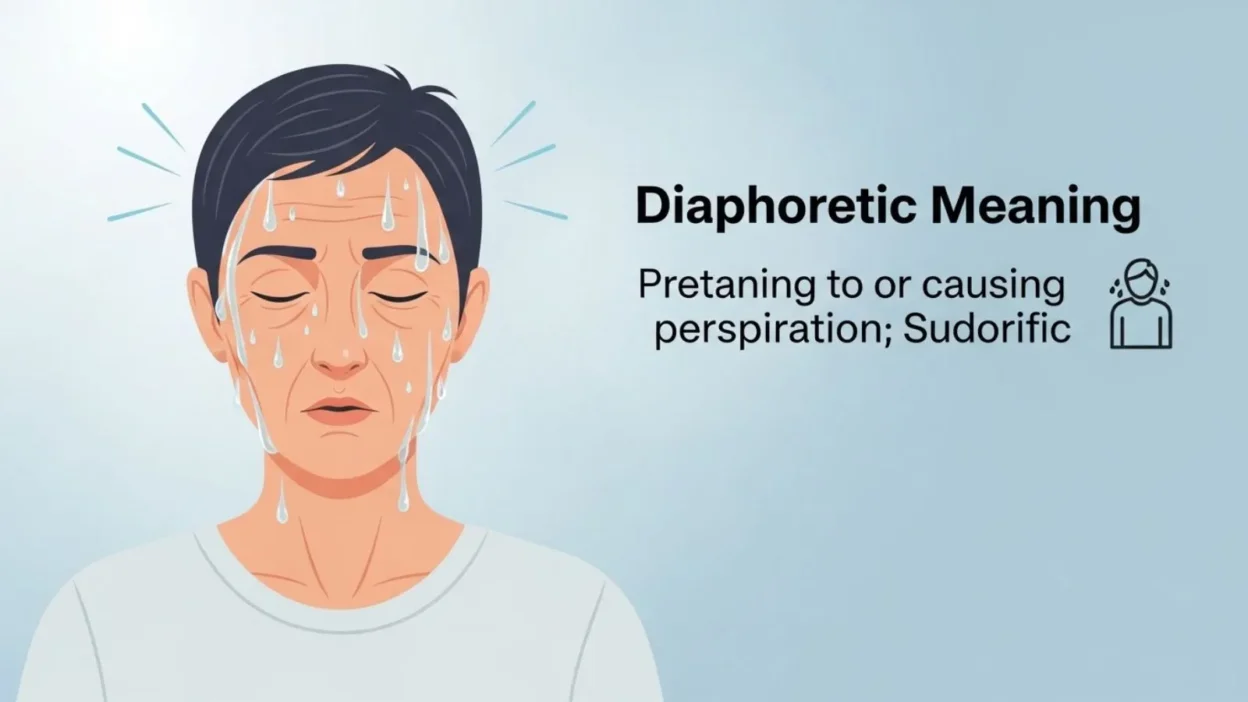
Have you ever come across the word “diaphoretic” and wondered what it really means? In simple terms, diaphoretic describes someone who is sweating heavily, often as a result of illness, stress, or physical exertion.
While most people use words like “sweaty” or “perspiring” in everyday conversation, diaphoretic is a more precise term, especially in medical contexts, where it helps doctors and nurses describe symptoms accurately.
Understanding this term is not just for healthcare professionals it can also help you read medical reports, follow health advice, or even use it correctly in writing and conversation.
From cold sweats caused by anxiety to excessive sweating linked to heart issues or fever, being aware of what it means to be diaphoretic can give you valuable insight into your health and well-being. In this article, we’ll explore the diaphoretic meaning, its causes, symptoms, and practical uses in daily life.
What Does Diaphoretic Mean?
The term diaphoretic refers to the condition of sweating excessively. In medical language, it’s often used to describe profuse sweating that occurs as a symptom of illness, stress, or certain physical conditions. Unlike casual sweating from exercise or heat, being diaphoretic usually signals that the body is responding to something more serious, such as a fever, low blood sugar, or a heart-related issue.
Etymologically, the word comes from the Greek roots “dia-” meaning “through” and “pherein” meaning “to carry.” Essentially, it suggests the body is carrying moisture to the surface—sweat is the visible sign of that process. In medical notes, you might read phrases like “patient was diaphoretic on arrival”, indicating heavy sweating that might be a clue to an underlying problem.
In everyday language, understanding the term can help you describe symptoms more accurately. For instance, saying someone is “diaphoretic” conveys a stronger and more precise meaning than simply saying “sweaty.” It can describe both sudden cold sweats due to anxiety or night sweats caused by illness.
Example sentences:
- “After running to catch the bus, she was completely diaphoretic.”
- “The patient appeared diaphoretic and pale, prompting immediate medical attention.”
By learning this term, you’re not just expanding your vocabulary—you’re also better equipped to recognize important health signals when someone is sweating excessively.
Diaphoretic in Medical Terms
In the medical field, the term diaphoretic is commonly used to describe a patient experiencing profuse sweating as a symptom of an underlying condition. Unlike regular sweating caused by heat or exercise, being diaphoretic often signals that the body is under stress, fighting illness, or responding to a physiological imbalance. Healthcare professionals pay close attention to diaphoresis because it can provide important diagnostic clues.
For example, a patient experiencing a heart attack may become diaphoretic, sometimes even before chest pain begins. Similarly, low blood sugar (hypoglycemia) or fever can trigger sudden, intense sweating. In emergency medicine, a patient’s diaphoretic state is noted in clinical records to indicate the severity of their condition. Medical professionals may use phrases like: “The patient is diaphoretic, tachycardic, and complaining of dizziness”, which helps in prioritizing care and identifying the cause.
Diaphoresis can also be cold or hot. Cold sweats usually occur during anxiety, shock, or heart problems, while hot sweats are more common with fever or infection. Medications, hormone imbalances, and stress can also lead to a diaphoretic state.
Understanding this term in a medical context is crucial, not just for professionals but also for patients. Recognizing when sweating is normal versus excessive can help people seek timely medical attention and prevent complications.
Symptoms Associated with Being Diaphoretic
Being diaphoretic is not just about visible sweating—it often comes with other symptoms that can help identify the underlying cause. One of the most common signs is profuse, unexpected sweating, which may appear on the forehead, palms, or entire body. Unlike regular sweating after exercise, these sweat episodes can occur suddenly, even in cool environments.
A person who is diaphoretic may also experience cold sweats, where the skin feels clammy and cool to the touch, often paired with paleness. This type of sweating can be a warning sign of low blood sugar, shock, or heart issues. On the other hand, hot sweats typically occur with fever, infection, or hormonal changes, such as those caused by menopause or thyroid imbalances.
Other accompanying symptoms may include dizziness, nausea, rapid heartbeat, fatigue, or shortness of breath. For example, someone having a hypoglycemic episode may become diaphoretic, shaky, and lightheaded. Similarly, diaphoretic sweating during a panic attack often comes with anxiety, trembling, and a racing pulse.
Night sweats are another form of diaphoresis and can indicate infections, hormone imbalances, or other medical conditions. Tracking these patterns—time of day, triggers, and accompanying symptoms—can provide important clues for medical evaluation.
Recognizing these symptoms is vital because diaphoresis can be a signal of serious health problems. Understanding how to differentiate between normal sweating and diaphoretic episodes helps in deciding when to seek medical attention and ensures proper care is given promptly.
Causes of Diaphoresis
Diaphoresis, or being diaphoretic, can have a wide range of causes, from everyday factors to serious medical conditions. Understanding these triggers helps in identifying when sweating is normal and when it may signal a health concern.
Medical Causes: Many illnesses and conditions can lead to diaphoresis. Fever from infections, such as the flu or COVID-19, often causes hot sweats. Heart-related problems, including heart attacks or angina, can trigger cold, clammy sweats. Hypoglycemia, or low blood sugar, is another common cause, particularly in people with diabetes. Other conditions like hyperthyroidism, menopause, or hormonal imbalances can also result in excessive sweating.
Lifestyle and Environmental Causes: Not all diaphoretic episodes are due to illness. Physical exertion, exercise, or working in hot environments can cause heavy sweating. Stress, anxiety, or panic attacks may lead to sudden cold sweats, even when the surroundings are cool.
Medication-Induced Sweating: Certain medications, including antidepressants, painkillers, and some blood pressure drugs, can cause diaphoresis as a side effect. Over-the-counter stimulants, like caffeine, may also contribute to excessive sweating in sensitive individuals.
Recognizing the underlying cause is essential for proper treatment. While lifestyle-related sweating may be managed with hydration, breathable clothing, or stress-reduction techniques, medical causes require prompt attention. Tracking when and how diaphoresis occurs—whether during exercise, at night, or at rest—can provide valuable insights for healthcare professionals to make accurate diagnoses and recommend effective interventions.
Diaphoretic vs Perspiring: What’s the Difference?
While diaphoretic and perspiring both describe sweating, they are not exactly the same. Understanding the distinction can help you use these terms correctly in both everyday conversation and medical contexts.
Perspiring is a general term for sweat produced by the body, usually due to heat, physical activity, or stress. It’s a normal, healthy process that helps regulate body temperature. For example, after a workout, someone might say, “I’m perspiring heavily after my run.” This conveys regular sweating that is expected and not necessarily linked to illness.
Diaphoretic, on the other hand, is a more specific term, often used in medical settings to describe excessive or abnormal sweating. It can occur at rest and may indicate an underlying medical issue, such as fever, heart problems, hypoglycemia, or anxiety attacks. For instance, a doctor might write, “The patient was diaphoretic upon arrival,” signaling that the sweating is notable and potentially serious.
In short, all diaphoretic episodes involve perspiring, but not all perspiring is diaphoretic. Perspiration is routine, while diaphoresis (being diaphoretic) often warrants attention. Knowing this difference is useful for accurate communication, whether describing your own symptoms, reading a medical report, or writing descriptively.
Example sentences:
- Perspiring: “He was perspiring after jogging in the sun.”
- Diaphoretic: “She became diaphoretic during the stressful exam, indicating anxiety.”
By distinguishing these terms, you can improve both your vocabulary and health awareness, making it easier to recognize when sweating might be a warning sign.
When to See a Doctor for Diaphoresis
While sweating is a normal part of life, diaphoresis—or being diaphoretic—can sometimes signal a serious medical issue. Recognizing when to seek professional help is crucial for your health and safety.
Red Flags: Sudden or unexplained sweating, especially if it occurs at rest, may indicate an underlying problem. For example, cold, clammy sweats paired with chest pain, dizziness, or shortness of breath could be signs of a heart attack. Similarly, persistent night sweats or heavy sweating accompanied by fever, weight loss, or fatigue may suggest infections, hormonal imbalances, or other medical conditions.
Other Concerning Symptoms:
- Sudden drops in blood sugar (hypoglycemia), often in people with diabetes, can cause rapid, profuse sweating.
- Anxiety or panic attacks can produce cold sweats, but if episodes are frequent and severe, medical evaluation may be necessary.
- Medications that cause excessive sweating as a side effect might require dosage adjustment or alternative treatments.
What to Do: Keep a record of your sweating patterns—note time of day, triggers, duration, and accompanying symptoms. This information can help doctors determine the cause more accurately.
Seeking medical attention promptly can prevent complications and provide peace of mind. While occasional sweating is usually harmless, recurrent or extreme diaphoresis should never be ignored. Being aware of your body’s signals and consulting a healthcare professional ensures that any serious condition is addressed quickly and effectively.
Treatment and Management of Excessive Sweating
Managing diaphoresis, or being diaphoretic, depends on its cause and severity. While occasional sweating is normal, excessive or unexplained sweating may require both home remedies and medical intervention.
Home Remedies and Lifestyle Changes:
- Hydration: Drink plenty of water to replace fluids lost through sweating.
- Breathable Clothing: Lightweight, moisture-wicking fabrics can help reduce discomfort.
- Temperature Control: Keep rooms cool and ventilated to minimize heat-induced sweating.
- Stress Reduction: Techniques like deep breathing, meditation, and yoga can help manage stress-related diaphoresis.
- Dietary Adjustments: Avoid excessive caffeine, spicy foods, and alcohol, which may trigger sweating.
Medical Treatments:
- Prescription Antiperspirants: Stronger than over-the-counter options, these can help manage hyperhidrosis.
- Medications: Certain drugs, such as anticholinergics, may be prescribed to reduce sweating.
- Therapies: Botox injections are sometimes used for severe cases of localized diaphoresis (e.g., hands, underarms).
- Surgical Options: In extreme cases, procedures like sympathectomy may be considered to treat chronic hyperhidrosis.
It’s important to identify the underlying cause. Sweating due to fever, heart issues, or low blood sugar requires treatment of the primary condition rather than just managing the sweat.
Tracking your sweating patterns—time of day, triggers, intensity, and accompanying symptoms—can help healthcare professionals recommend the most effective treatment. By combining lifestyle adjustments and medical options, most people can successfully manage excessive sweating, improving both comfort and overall health.
Diaphoretic in Everyday Language
While diaphoretic is most commonly used in medical contexts, it can also appear in everyday language, literature, and descriptive writing. Using the term outside medicine adds precision and a touch of sophistication when describing someone who is sweating heavily.
In casual conversation, people might simply say someone is “sweaty” or “perspiring.” However, saying someone is diaphoretic conveys a stronger image, suggesting profuse or unusual sweating, often linked to stress, fear, or exertion. For example, one could describe a character in a novel as: “The hero was diaphoretic after running through the rain-soaked streets, heart pounding with fear.” This creates a vivid picture for the reader and signals intense physical or emotional stress.
In social or professional contexts, using the term correctly can help communicate symptoms or experiences clearly. For instance, someone might say: “I felt diaphoretic during the intense presentation,” which accurately conveys nervous sweating, rather than just feeling warm or slightly sweaty.
Understanding the word also helps when reading news articles, medical reports, or literature where precise descriptions matter. Authors, journalists, and students can use diaphoretic to describe characters, patients, or stressful situations in a more nuanced way.
By incorporating this term into your vocabulary, you not only improve your language skills but also gain the ability to recognize and describe physical states more accurately, whether in writing or conversation. It bridges the gap between medical terminology and everyday communication.
Interesting Facts About Diaphoresis
The term diaphoresis and its adjective, diaphoretic, have a rich history and fascinating applications beyond medicine. Originating from the Greek words “dia” meaning “through” and “pherein” meaning “to carry,” the word literally refers to the body “carrying sweat through the skin.” This precise origin highlights why the term is still favored in medical and scientific contexts.
Historically, sweating has been recognized as a crucial bodily function. Ancient physicians, including Hippocrates and Galen, observed excessive sweating as a symptom of fever, infection, or emotional stress. Even in early medical texts, diaphoretic states were noted as important diagnostic clues, showing how vital this symptom has been for centuries.
In literature, authors often use the concept of diaphoresis to illustrate tension, fear, or exertion. For instance, a character may be described as diaphoretic to emphasize panic, physical struggle, or intense anxiety, making the scene more vivid for readers.
Culturally, sweating has also been linked to rituals and health practices. For example, traditional sweat lodges or saunas leverage controlled sweating for cleansing or therapeutic purposes, connecting the physiological process to wellness practices.
Interestingly, the word diaphoretic is sometimes used metaphorically, describing intense effort or exertion in non-physical tasks, such as mental challenges or stressful negotiations, emphasizing the body-mind connection.
These interesting facts show that diaphoresis is more than just a medical term; it intersects with history, literature, and culture, reflecting both its literal and symbolic significance. Understanding its background enriches both language skills and appreciation of human physiology.
FAQs About Diaphoretic Meaning
1. What does it mean when someone is diaphoretic?
Being diaphoretic means a person is sweating heavily, often as a response to illness, stress, or physical exertion. It indicates more than normal perspiration and can sometimes signal an underlying medical condition.
2. Is being diaphoretic dangerous?
Not always. Temporary diaphoresis from exercise, heat, or stress is normal. However, sudden or unexplained sweating, especially with other symptoms like chest pain, dizziness, or nausea, may indicate serious health issues and requires medical attention.
2. Is being diaphoretic dangerous?
Not always. Temporary diaphoresis from exercise, heat, or stress is normal. However, sudden or unexplained sweating, especially with other symptoms like chest pain, dizziness, or nausea, may indicate serious health issues and requires medical attention.
3. How is diaphoretic different from sweating?
All diaphoretic episodes involve sweating, but not all sweating is diaphoretic. Sweating during exercise is routine, while diaphoresis often occurs at rest or is unusually excessive, signaling stress or illness.
4. Can stress alone cause someone to be diaphoretic?
Yes. Anxiety, panic attacks, or intense stress can trigger cold sweats, a type of diaphoresis. These episodes are usually temporary but can be alarming if frequent or severe.
5. How can diaphoretic episodes be managed?
Management depends on the cause. Lifestyle changes like hydration, breathable clothing, and stress reduction help mild cases. Medical treatment may be needed for hyperhidrosis, hormonal imbalances, or underlying health conditions.
6. What are common medical conditions associated with being diaphoretic?
Conditions include fever, infections, heart problems, hypoglycemia, hyperthyroidism, and side effects from medications. Recognizing patterns can help doctors identify the cause.
Conclusion
Understanding the term diaphoretic is more than a vocabulary exercise it’s a way to recognize and describe important physical and medical signals.
From everyday sweating during exercise to excessive sweating caused by fever, anxiety, or heart issues, knowing what it means to be diaphoretic helps you interpret your own body’s responses and communicate clearly about health concerns.
In medical contexts, noting when a patient is diaphoretic can provide crucial information for diagnosis and treatment. In everyday language or literature, the term adds precision and vividness when describing intense stress, exertion, or emotional tension.
Whether you encounter the word in a medical report, a health article, or a novel, understanding diaphoretic meaning, symptoms, and causes empowers you to respond appropriately if it’s seeking medical care, adjusting lifestyle habits, or enhancing descriptive writing.
By combining awareness and knowledge, you can confidently use this term while recognizing when heavy sweating might indicate a serious health condition.