
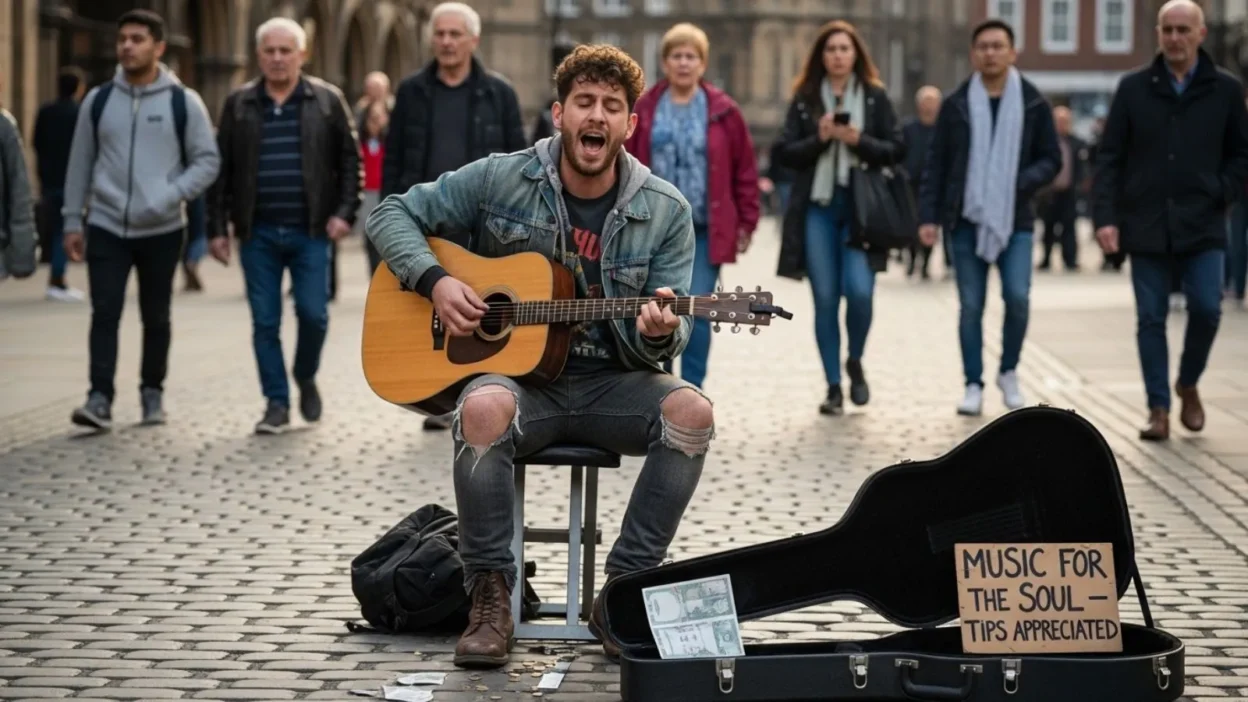
A busker is a performer who entertains the public in streets, parks, or other open spaces, often relying on tips from passersby for income the word busker comes from the Spanish verb buscar, meaning “to seek,” highlighting the artist’s quest to share their talent with a wider audience.
Buskers can be musicians, dancers, magicians, jugglers, or even living statues, turning everyday public areas into vibrant stages.
Over the years, busking has evolved beyond traditional street corners. In 2026, performers now combine live shows with social media, digital tipping, and online streaming to reach global audiences.
Understanding the meaning of a busker is more than knowing the term it’s about recognizing the creativity, resilience, and cultural value these performers bring to communities.
If you’ve encountered a guitarist on a busy city sidewalk or a magician performing in a park, buskers make streets lively, connecting strangers through art and entertainment.
What Does Busker Mean?
A busker is a person who performs in public spaces, such as streets, parks, or subway stations, to entertain passersby and earn money through tips or donations. While often associated with musicians, buskers can also be magicians, dancers, jugglers, living statues, or other types of performers. The term “busker” originates from the Spanish verb buscar, which means “to seek.” Historically, it reflected the performer’s search for an audience, recognition, or a way to make a living.
Understanding the meaning of a busker involves more than just knowing they perform in public. It’s about appreciating the creativity, courage, and adaptability required to engage strangers in unpredictable environments. Unlike performers in theaters or concert halls, buskers face unique challenges, including varying weather, limited space, and fluctuating audience attention. Their performances are often spontaneous, interactive, and tailored to the environment, making street entertainment a distinct and dynamic art form.
Buskers differ from traditional street performers in that they often rely heavily on tips and the goodwill of the audience, making direct engagement and connection crucial. They also contribute to urban culture by turning ordinary public spaces into lively, artistic venues. Whether playing a guitar on a busy sidewalk or performing tricks in a park, a busker transforms everyday life into a shared experience of entertainment and art, making their presence both meaningful and memorable.
History of Busking Around the World
Busking has a rich and diverse history that spans centuries and cultures. The practice of performing in public spaces dates back to medieval Europe, where traveling minstrels, troubadours, and street singers entertained townspeople with music, storytelling, and poetry. These early buskers often relied on tips, food, or lodging in exchange for their performances, making street entertainment both a livelihood and a cultural tradition.
In Asia, busking has deep roots as well. In countries like Japan, China, and India, performers have long used markets, temples, and festivals as stages for music, dance, and theatrical displays. Traditional performances often carried cultural and religious significance, blending artistry with community rituals. Similarly, in the Americas, street performances became popular in cities such as New York, London, and Paris during the 19th and early 20th centuries, where subway musicians and park performers brought live art to everyday life.
Over time, busking evolved from purely survival-driven entertainment to a recognized art form, influencing mainstream culture and music. Many renowned musicians and performers, such as Tracy Chapman and Ed Sheeran, began their careers as buskers, proving that street performance can be a launching pad for talent. Today, busking continues to thrive globally, blending tradition with modern trends like digital streaming and interactive performances, ensuring that this centuries-old art form remains relevant and celebrated.
Common Types of Busking
Busking comes in many forms, each showcasing unique talents and creativity. The most common type is musical busking, where performers play instruments or sing in public spaces. Guitarists, violinists, drummers, and even small bands bring energy to streets and subway stations, engaging audiences with live music. Some buskers also perform original compositions, offering a glimpse into emerging talent.
Another popular type is performing arts busking, which includes dancers, acrobats, jugglers, and magicians. These performers captivate crowds with visually impressive skills, often incorporating audience interaction to make the performance more engaging. Living statues, a specialized form of performing arts busking, require patience and skill, as performers hold still in elaborate costumes, creating a surreal and memorable experience.
In recent years, modern and digital busking has emerged. Performers may livestream their street acts, accept digital tips via apps, or blend traditional acts with contemporary technology like LED displays or virtual reality. This evolution allows buskers to reach global audiences while maintaining the charm of live street performance.
Some buskers also combine multiple talents, such as singing while juggling or playing an instrument while performing acrobatics. No matter the style, busking requires creativity, adaptability, and the ability to engage passersby instantly. By turning public spaces into stages, buskers offer accessible entertainment, enriching the urban landscape and bringing joy to audiences who might never attend a traditional theater or concert.
Buskers in Modern Cities
Busking plays a vital role in modern urban life, bringing art, music, and entertainment directly to city streets. Today, buskers can be found in bustling downtown areas, public parks, subway stations, and even tourist hotspots. Cities like London, New York, Paris, and Tokyo are famous for vibrant street performance scenes, where buskers contribute to the cultural identity and charm of urban spaces.
Modern cities often regulate busking to balance public enjoyment with safety and order. Some require permits or licenses, designate specific performance areas, and enforce time limits to ensure fair use of public spaces. These rules help protect performers while maintaining harmony with residents and businesses. Despite regulations, many cities actively encourage busking because it attracts tourism, energizes neighborhoods, and supports local culture.
Buskers also adapt to city life by performing during peak pedestrian hours, participating in festivals, or collaborating with local businesses. In 2026, technological advancements have expanded opportunities for urban performers. Many buskers now accept digital tips via apps, promote performances on social media, and livestream shows to reach audiences beyond the street.
By bringing live art into everyday urban environments, buskers transform ordinary streets into interactive stages. They provide moments of joy, surprise, and connection, making city life more dynamic. Whether it’s a guitarist in a subway station or a living statue in a busy square, modern buskers remain an essential part of the city’s heartbeat and cultural landscape.
How Buskers Earn Money
Buskers have always relied on the generosity of their audience, and earning money is a key part of street performance. Traditionally, performers used open cases, hats, or boxes placed in front of them, inviting passersby to leave coins or bills as a token of appreciation. These tips directly reflected the audience’s enjoyment and engagement with the performance.
In addition to tips, many buskers sell merchandise to supplement their income. Musicians may offer CDs, digital downloads, or custom artwork, while other performers might sell handmade crafts, souvenirs, or instructional guides related to their art. Selling merchandise not only generates revenue but also helps buskers build a dedicated fan base.
With the rise of technology, modern buskers have embraced digital payments. QR codes, mobile wallets, and apps like PayPal, Venmo, or Cash App allow audiences to tip instantly without carrying cash. Livestreaming has also become a popular method, enabling performers to reach global audiences who can donate in real time. Some buskers even run Patreon accounts, offering exclusive content to supporters.
Buskers may also participate in festivals, competitions, or sponsored events, providing additional income opportunities. In some cities, grants and cultural programs support talented performers, helping them sustain their art.
Overall, buskers combine creativity, persistence, and adaptability to earn a living. Whether through traditional tips, merchandise, or modern digital platforms, they find innovative ways to transform their passion into income, all while sharing their art with the public and enhancing the cultural vibrancy of urban spaces.
Skills Needed to Be a Successful Busker
Being a successful busker requires more than just talent—it demands a unique combination of performance skills, resilience, and the ability to connect with an audience. At the core is artistic ability. Musicians, singers, dancers, and magicians must master their craft to deliver engaging and memorable performances. Technical skill, practice, and originality are essential to stand out in crowded urban spaces.
Equally important is crowd engagement. Buskers must capture the attention of passersby quickly, maintain interest, and encourage participation or tips. This involves body language, eye contact, vocal projection, and an understanding of audience dynamics. Interactive acts, such as inviting spectators to join a dance or sing along, often leave a lasting impression.
Adaptability is another crucial skill. Outdoor performers face unpredictable conditions, from sudden weather changes to noisy environments or competing street performers. A successful busker must adjust performances, timing, and equipment to suit the surroundings.
Resilience and confidence also play a key role. Performing for strangers can be challenging, and buskers often face rejection or indifference. Maintaining a positive attitude, persevering through slow days, and learning from experiences are vital for long-term success.
Finally, modern buskers benefit from marketing and self-promotion skills. Sharing performances on social media, livestreaming, or creating digital content can expand their audience and income. By combining talent, engagement, adaptability, and resilience, buskers not only entertain but thrive in the dynamic world of street performance.
The Cultural Impact of Buskers
Buskers do more than entertain—they play a vital role in shaping the cultural and social life of cities. By performing in public spaces, they make art accessible to everyone, breaking down barriers that might prevent people from attending theaters, concerts, or galleries. Streets, parks, and squares become stages, transforming ordinary urban spaces into lively cultural hubs.
Buskers contribute to the identity and character of cities. Famous busking spots like Covent Garden in London, Montmartre in Paris, or New York’s subway stations are not just tourist attractions—they reflect the city’s creativity, diversity, and energy. Street performances often mirror local traditions, music styles, and social themes, giving residents and visitors alike a taste of the city’s unique cultural flavor.
Moreover, buskers serve as community connectors. Their performances draw crowds, spark conversations, and encourage social interaction. People from different backgrounds gather to enjoy music, dance, or magic, fostering a shared experience and a sense of community.
Buskers also influence mainstream culture. Many successful musicians and performers, such as Ed Sheeran and Tracy Chapman, started as street artists, showing that public performance can be a launching pad for talent. Additionally, busking inspires new art forms, encourages collaboration, and supports local festivals, further enriching the cultural landscape.
In essence, buskers are more than entertainers—they are cultural ambassadors. They make art visible, accessible, and interactive, turning streets into stages and communities into audiences, ultimately enhancing the vibrancy and identity of urban life.
Challenges Faced by Buskers
While busking can be rewarding, it comes with a unique set of challenges that performers must navigate. One of the primary obstacles is legal restrictions and permits. Many cities require buskers to obtain licenses, adhere to designated performance areas, or follow time limits. Failing to comply can result in fines, equipment confiscation, or being asked to leave, making it essential for performers to understand local regulations.
Safety is another significant concern. Buskers often perform in busy streets, crowded squares, or near traffic, exposing themselves to accidents, theft, or harassment. Protecting personal belongings, instruments, and maintaining situational awareness are crucial for staying safe.
Weather and environmental factors also affect busking. Rain, snow, heat, or strong winds can disrupt performances and damage equipment, requiring buskers to adapt quickly or relocate. Additionally, outdoor noise from traffic, construction, or nearby events can interfere with sound quality, challenging performers to capture audience attention.
Competition and audience attention present further challenges. Popular busking locations may host multiple performers simultaneously, requiring artists to stand out through creativity, skill, and engagement. Maintaining energy, confidence, and a consistent performance quality in unpredictable environments is critical.
Despite these hurdles, many buskers view challenges as part of the art form. Adaptability, perseverance, and innovation are key to overcoming obstacles, ensuring that street performance remains a viable and fulfilling career. By managing risks and embracing unpredictability, buskers continue to bring vibrant art to public spaces, enriching urban life while navigating a demanding profession.
Famous Buskers Who Made It Big
Many of today’s most successful musicians and performers began their careers as buskers, proving that street performance can be a powerful launching pad for talent. One notable example is Ed Sheeran, who spent years performing on streets and in small venues across the UK before becoming a global pop sensation. His busking experience helped him develop stage presence, crowd engagement, and resilience, skills that remain central to his performances today.
Similarly, Tracy Chapman started her journey by performing on street corners, captivating audiences with her soulful voice and poignant lyrics. Busking allowed her to refine her craft, connect with listeners directly, and gain confidence in live performance.
Other artists, like Passenger and Tori Amos, also credit busking with providing invaluable real-world experience. The constant interaction with strangers, adapting to different audiences, and learning to perform in unpredictable environments honed their artistry and work ethic.
Busking has not only launched individual careers but also influenced mainstream culture. It encourages creativity, improvisation, and authenticity—qualities that resonate with audiences far beyond the street. Many contemporary performers maintain a connection to busking, returning to streets or public spaces for intimate performances that remind them of their roots.
These success stories highlight the potential of street performance. Buskers who are passionate, persistent, and adaptable can turn humble street corners into stepping stones for global recognition. The journey from busking to stardom underscores the artistic value and cultural importance of public performance, inspiring aspiring performers worldwide.
Tips for Appreciating or Becoming a Busker
Whether you’re an audience member or an aspiring performer, understanding the world of busking can enhance your experience and success. For audiences, the simplest way to appreciate buskers is to engage respectfully. Stop, watch, and listen attentively—your attention is often as valuable as monetary tips. Cash donations remain traditional, but digital tipping via QR codes or apps is increasingly popular in 2026. Sharing performances on social media, leaving positive comments, or recommending performers to friends can also support buskers and help them grow their audience.
For those interested in becoming a busker, preparation is key. Start by mastering your craft—whether it’s music, dance, magic, or another talent. Practice performing in small groups or familiar environments before heading to busy public spaces. Understanding local rules and permits is essential to avoid fines or disruptions.
Engaging the crowd is critical. Eye contact, smiles, clear communication, and interactive elements can draw in passersby and encourage tips. Buskers should also adapt to their environment, adjusting volume, timing, and performance style to suit the location and audience.
Lastly, resilience and consistency are vital. Busking can involve slow days, rejection, and unpredictable conditions. Treat each performance as a learning experience, refining skills and stage presence over time. With creativity, preparation, and audience awareness, aspiring buskers can turn public spaces into dynamic stages while making street performance a fulfilling and sustainable pursuit.
Frequently Asked Questions
1. What is a busker?
A busker is a performer who entertains the public in streets, parks, or other open spaces, often relying on tips or donations from passersby. Buskers can include musicians, dancers, magicians, jugglers, or living statues.
2. Where does the word “busker” come from?
The term originates from the Spanish verb buscar, meaning “to seek.” It reflects the performer’s pursuit of an audience and the opportunity to share their art with the public.
3. Do buskers need permits?
Many cities require permits or licenses for buskers to perform legally. Rules vary by location, including designated areas, time limits, or restrictions on amplified sound. Checking local regulations is essential.
4. How do buskers earn money?
Buskers earn through tips, donations, merchandise sales, and increasingly through digital payments or online livestreaming. Participating in festivals or competitions can also provide income.
5. What skills do buskers need?
Successful buskers require talent, stage presence, crowd engagement, adaptability, and resilience. Marketing and self-promotion skills help reach larger audiences.
6. Can busking lead to a professional career?
Yes. Many famous artists, including Ed Sheeran and Tracy Chapman, started as buskers. Street performance builds real-world experience, audience interaction, and confidence.
7. How can I support buskers?
Support buskers by tipping, sharing their performances, respecting their space, and following local etiquette. Even small gestures encourage street performers and help sustain their art.
Conclusion
Buskers are more than street performers they are artists, entertainers, and cultural ambassadors who bring creativity and life to public spaces.
From historical minstrels to modern performers using digital tools, buskers have continuously adapted while sharing their talents with the world.
Understanding the meaning of a busker goes beyond recognizing a performer; it’s about appreciating their resilience, skill, and the joy they bring to communities.
Whether it’s a musician in a subway, a magician in a park, or a living statue on a city square, buskers transform ordinary spaces into stages for art, connection, and shared experiences.
They inspire audiences, influence mainstream culture, and offer aspiring performers a platform to develop their craft.
By respecting and supporting buskers—through tips, encouragement, or simply stopping to enjoy their performance we help preserve this unique art form. Buskers enrich our cities, turning everyday moments into memorable experiences that celebrate creativity and community.